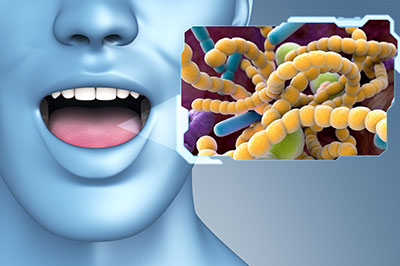
Bad breath, which is also known as halitosis, is a common and embarrassing condition. According to recent estimates, 75 million people in the United States are affected by bad breath and 10 billion dollars are spent annually on oral hygiene products to address the problem.
While it is perfectly normal to experience an acute bout of bad breath after eating certain pungent foods such as spices, onions or garlic, being plagued by constant bad breath is a different story. Chronic halitosis can be attributed to a variety of different underlying causes including inadequate oral hygiene, dental disease, oral infections, smoking and tobacco habits, dry mouth, medications, diets, certain metabolic disorders or other systemic problems that affect an individual’s overall health.
Treating Bad Breath Related to Oral Hygiene and Oral Health Issues
Since many instances of chronic bad breath can be attributed to oral health issues, seeing the dentist is a good first step in care. In the absence of an effective regimen of oral hygiene, the odor-causing bacteria responsible for bad breath and dental disease can proliferate throughout the mouth and on the tongue as well as on dentures that have not been properly cleaned and maintained. With routine dental checkups, thorough dental cleanings and improvements in brushing, flossing and denture or appliance care at home, these types of bad breath issues can be effectively resolved.
Other sources of bad breath related to oral health issues can include chronic dry mouth (xerostomia), gum disease, tooth decay, mouth sores, oral wounds or post-operative surgical sites. When the cause of bad breath is related to dental disease, an ulceration, or injury, the dentist will provide the appropriate treatment to address the condition or to promote tissue healing. In cases of bad breath due to chronic dry mouth, the dentist may recommend methods of self-care or medications to increase salivary flow, artificial saliva and other therapeutic measures. It is important to keep in mind that dry mouth may be a side effect of essential medications to address a systemic condition.


We’re here to help you take the next step in your care.
Whether you have a question, need to schedule an appointment, or want to learn more about our services, our friendly team is ready to assist. Reach out today and we’ll help you find a time that works for you.