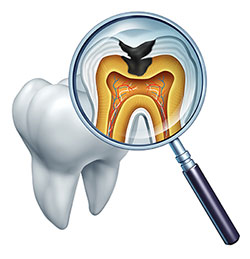
Tooth decay, also known as dental caries, is one of the most prevalent diseases affecting both children and adults and is second only to the common cold in frequency. According to the World Health Organization 60-90% of children worldwide, and nearly 100% of adults have dental cavities. Although tooth decay is a worldwide epidemic, it is also a condition that is largely preventable with effective oral hygiene practices, a healthy diet as well as routine checkups and professional dental cleanings.
What causes cavities?
Tooth decay is the result of a process that causes progressive damage to tooth structure. The culprit behind all of this is dental plaque, a sticky film that accumulates on teeth and harbors harmful bacteria that thrive on sugar. As these bacteria metabolize sugar, they produce acids, which over time can de-mineralize or eat away at healthy tooth structure. A cavity begins as a simple pinpoint defect on the outermost enamel layer of the tooth but if left untreated will continue to compromise healthy tooth structure, eventually working its way through the inner layer of dentin to the nerve and vital tissues inside the tooth. Depending on the extent of the damage to the tooth, a cavity can cause anything from periodic, mild tooth sensitivity to extreme and continuous discomfort. Seeing a dentist for the treatment of tooth decay is essential to prevent damage to the nerve of the tooth, a dental infection, tooth loss, or more serious consequences to one’s overall health.
Factors that can increase one’s risk of developing tooth decay include the following:
For patients at a higher risk of developing tooth decay, special toothpastes and fluoride rinses and other supplemental measures may provide an added level of protection.


We’re here to help you take the next step in your care.
Whether you have a question, need to schedule an appointment, or want to learn more about our services, our friendly team is ready to assist. Reach out today and we’ll help you find a time that works for you.