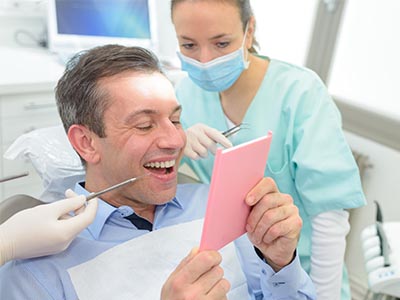
Missing one or more teeth affects more than appearance — it changes how your mouth works and how you feel about your smile. This page explains how dental bridges restore form and function, what options are available, and what to expect during treatment so you can make an informed decision with your dental team.
When a tooth is lost, the immediate effect is often cosmetic, but the consequences extend deeper. Gaps alter the way you chew, which can lead to uneven wear on remaining teeth and stress on your jaw joints. Speech patterns can also shift when front or back teeth are missing, making certain sounds more difficult to form clearly.
Adjacent teeth tend to drift into empty spaces over time. That movement changes the bite and can create new areas that trap food and plaque, increasing the risk of cavities and periodontal problems. In the opposing arch, teeth with no partner may over-erupt, which further compromises chewing comfort and tooth alignment.
Bone beneath a missing tooth begins to remodel and diminish because it no longer receives the normal stimulation from chewing. This gradual bone loss can change facial contours and limit options for restorative work later on. Replacing missing teeth is therefore not only about looks — it’s an important step in preserving oral health and long-term function.
There are several reliable ways to replace missing teeth, and a dental bridge remains a common, predictable solution when conditions are appropriate. A bridge fills the gap with one or more artificial teeth that rely on neighboring structures or implants for support. The goal is to restore chewing ability, protect remaining teeth, and maintain a natural appearance.
Clinicians consider many factors when recommending treatment: the number and position of missing teeth, the health and strength of adjacent teeth, bone volume, and your personal preferences for care. In some cases a fixed bridge is the simplest, most efficient option; in others, implants or removable prostheses may be better suited to serve long-term needs.
At DentMax, we emphasize a personalized approach. That means listening to your goals, performing a clear diagnostic assessment, and explaining the advantages and limitations of each option so you can choose a plan that fits your lifestyle and oral-health priorities.
A dental bridge replaces missing teeth with artificial ones called pontics that are anchored to natural teeth or implants. In a crown-supported bridge, the teeth on either side of the gap — called abutments — are prepared and fitted with crowns that are joined to the pontic(s). The result is a single, fixed restoration that behaves much like natural teeth.
Materials used today combine strength and esthetics. Porcelain and ceramic crowns are layered or milled for lifelike color and translucency, while high-strength ceramics such as zirconia offer exceptional durability in areas where force is highest. Porcelain-fused-to-metal remains a versatile choice when additional structural support is needed.
Beyond restoring appearance, a bridge re-establishes proper bite relationships and prevents neighboring teeth from shifting. Because it is fixed in place, a well-designed bridge can feel stable and reliable, allowing patients to eat and speak with confidence once they’ve adapted to the restoration.
There are several bridge designs that solve different clinical problems. A traditional fixed bridge uses crowns on both sides of the gap to support one or more pontics and is commonly recommended when the abutment teeth are healthy enough to be prepared for crowns. A cantilever bridge attaches a pontic to a crown on only one side and is used in situations where space or opposing structures make a single-sided support the better choice.
A Maryland (resin-bonded) bridge uses a metal or ceramic framework bonded to the back of adjacent teeth with minimal alteration to those teeth. This design is conservative but generally best for small gaps in low-stress areas. Implant-supported bridges are supported by dental implants rather than natural teeth and are an excellent option when preserving adjacent tooth structure is a priority or when multiple teeth are missing.
Each design has trade-offs in durability, preparation requirements, and suitability based on bite forces and location in the mouth. Your dentist will review diagnostic images, check tooth and bone health, and recommend the option that provides the best balance between longevity, function, and conservation of natural tissues.
Before a bridge can be fabricated, your mouth must be healthy. That includes treating active decay and periodontal disease and confirming that abutment teeth (or implant sites) have sufficient support. When bone is insufficient for implants, grafting procedures can rebuild volume, but those steps are planned carefully so healing and integration are predictable.
The fabrication process for a traditional bridge typically involves tooth preparation, impressions or digital scans, placement of a temporary restoration, and final cementation once the lab-made bridge meets esthetic and functional goals. For implant-supported bridges, surgical placement and a healing period for osseointegration are required before the final prosthesis is attached.
Long-term success depends on regular professional care and good home hygiene. Cleaning under and around pontics often requires special tools such as floss threaders or interdental brushes to remove plaque. Routine dental exams and maintenance help catch issues early, and with attentive care, bridges can provide many years of reliable service.
In summary, dental bridges offer a proven way to replace missing teeth, protect surrounding structures, and restore comfortable chewing and a natural-looking smile. If you’d like to learn which bridge design is best for your situation, please contact us for more information and to schedule a consultation.


Your new bridge is customized to the exact specifications of your smile. Before cementing to the underlying teeth or affixing it to the supporting implants, the shade, occlusion, and all aspects of its fit are carefully checked. In addition to being designed to blend seamlessly with your smile, it's also made to suit your bite and withstand all manner of oral function. We take great care to make sure your new restoration looks great, fits well, and that your bite feels comfortable.
Replacing missing teeth with a dental bridge is a worthwhile investment in the look, health, and function of your smile. While many dental insurances offer coverage for a dental bridge, and some toward the cost of implants, the benefits and amounts can vary significantly from plan to plan. At the office of DentMax, we understand the financial considerations involved in care and do all we can to help patients begin treatment without any additional stress or delay. In addition to doing our best to optimize your dental benefits, we also offer several payment and financing options. Feel free to contact our office if you have any questions on the cost of care, dental insurances, financing plans, or acceptable forms of payment.
Now that your new permanent crown or bridge is in place, it's essential to maintain good oral hygiene. With proper care, your new restorations will last for years to come. Make sure to brush and floss as instructed. We'll show you how to floss under your dental bridge to keep your new smile clean and bright. Remember to make appointments for your routine checkups and professional cleanings.
The standard answer is that with routine dental visits and good home care, a bridge can last ten to fifteen years, and in many cases, much longer.
At the office of DentMax, we fabricate your bridge from the highest quality dental materials to achieve the most cosmetically pleasing and lifelike results of care. It's also customized to the exact specifications of your smile and designed for optimal aesthetics, strength, and stability. Once fabricated and cemented into place, you'll feel confident sharing your smile, speaking, and eating your favorite foods.
As your trusted partner in care, we analyze every aspect of your smile to develop a treatment plan that provides aesthetically pleasing, healthy, and long-lasting results of care.
For more information on dental bridges, or any services we provide, give us a call today.
A dental bridge is a fixed restoration that fills the gap left by one or more missing teeth using artificial teeth called pontics supported by adjacent natural teeth or implants. In a crown-supported bridge the neighboring teeth are prepared and fitted with crowns that are joined to the pontic or pontics, creating a single unit that restores chewing function. Implant-supported bridges use dental implants as the supporting anchors and preserve adjacent tooth structure while offering a stable solution.
The primary goals of a bridge are to restore proper bite relationships, prevent neighboring teeth from drifting into the space, and reestablish a natural-looking smile. Materials such as porcelain, ceramic, and high-strength zirconia are selected to balance esthetics and durability so the restoration blends with your remaining teeth. With proper design and maintenance a bridge can provide reliable function and appearance for many years.
Good candidates for a dental bridge are patients who have one or more missing teeth and healthy adjacent teeth or suitable implant sites to support the restoration. A thorough evaluation includes reviewing periodontal health, checking for decay on potential abutment teeth, and assessing bone volume and bite forces to determine whether a crown-supported, resin-bonded, or implant-supported bridge is most appropriate. Some patients may need preliminary treatment such as periodontal therapy or restorative work on abutment teeth before a bridge can be placed.
A consultation at DentMax typically involves digital X-rays or scans and a discussion of long-term goals so you can choose the option that best preserves function and tooth structure. Your dentist will explain the trade-offs between conservative designs and more durable solutions and recommend the approach that aligns with your oral-health priorities. If implants are being considered, the evaluation also addresses bone quality and any steps needed to support successful implant placement.
Several common bridge designs address different clinical needs: traditional fixed bridges use crowns on both sides of the gap to support pontics, cantilever bridges attach a pontic to a crown on only one side, Maryland (resin-bonded) bridges use a bonded metal or ceramic framework, and implant-supported bridges are anchored by dental implants. Traditional bridges are a reliable choice when abutment teeth are healthy and can be prepared for crowns, while Maryland bridges are more conservative and suited to small gaps in low-stress areas. Cantilever bridges are used when space or anatomy limits support to one side.
Implant-supported bridges are recommended when preserving adjacent teeth is a priority or when multiple teeth are missing and a stronger foundation is needed. Each design differs in preparation requirements, expected longevity, and suitability based on bite forces and location in the mouth. Your clinician will review diagnostics and recommend the design that balances durability, preservation of natural tissues, and esthetic outcome.
Modern bridge materials combine esthetics and strength to meet different needs: porcelain-fused-to-metal offers structural support with a tooth-colored surface, all-ceramic or porcelain restorations provide excellent translucency for natural appearance, and high-strength zirconia gives exceptional durability for molar regions. Porcelain and ceramic are often layered or milled to match shade and translucency of surrounding teeth, while zirconia is chosen when force resistance is a primary concern. The selection depends on the location of the bridge, bite dynamics, and your esthetic expectations.
Material choice can affect how much tooth preparation is needed and how the restoration interacts with opposing teeth, so clinicians weigh both functional and cosmetic factors. Lab fabrication techniques, including CAD/CAM milling and digital shade matching, further refine the final result. A carefully chosen material and precise lab work help ensure the bridge looks natural and withstands everyday use.
Placing a traditional bridge typically begins with preparing the abutment teeth by removing a controlled amount of enamel to make room for crowns, followed by impressions or digital scans to capture precise details of the prepared teeth and bite. A temporary bridge is often placed to protect prepared teeth and maintain function while the laboratory fabricates the final restoration. During the follow-up visit the dentist checks fit, occlusion, and esthetics before permanently cementing the bridge.
Adjustments are made as needed to ensure comfort and proper bite relationships, and the clinician will review home-care techniques to keep the restoration and surrounding teeth healthy. In some cases modern digital workflows shorten turnaround time and improve precision, but the clinical steps remain focused on preserving tooth structure and achieving a stable long-term result. Routine recall visits allow the dentist to monitor the bridge and address minor issues before they progress.
An implant-supported bridge involves surgical placement of dental implants followed by a healing period during which the implants integrate with the jawbone, a process called osseointegration that typically takes several months depending on individual healing. After integration, an abutment is attached to each implant and impressions or digital scans are taken to design the final prosthesis. Temporary restorations can often be provided during the healing phase to maintain function and esthetics while the implants consolidate.
At DentMax the implant timeline is carefully coordinated so surgical and restorative phases proceed predictably, and the practice works with skilled labs or in-house milling to achieve a precise final fit. Your care plan will outline expected appointments, healing milestones, and any preparatory procedures such as bone grafting that may extend the timeline. While implant-supported solutions usually require a longer process than tooth-supported bridges, they offer advantages in preserving adjacent tooth structure and supporting larger replacements.
Daily home care for a bridge includes thorough brushing twice a day and cleaning beneath pontics using floss threaders, interdental brushes, or specialized floss designed for bridges to remove plaque and prevent decay around abutment teeth. Maintaining strong periodontal health around the supporting teeth is essential because gum inflammation or bone loss can jeopardize the stability of the restoration. Avoiding unusually hard or sticky foods that can place excessive force on the bridge helps reduce the risk of fractures or loosening.
Regular professional care is equally important: routine dental exams and cleanings allow your dentist to monitor the bridge, assess occlusion, and address any wear or minor issues early. Your dentist or hygienist can demonstrate the best techniques and recommend specific tools that suit your bridge design and mouth anatomy. With attentive home care and scheduled maintenance a bridge can remain functional and esthetic for many years.
Potential complications include decay or fracture of abutment teeth, loosening or failure of the cement bond, wear or fracture of the pontic material, and gum inflammation around the restoration if oral hygiene is inadequate. Resin-bonded and minimally invasive designs are more prone to debonding in high-stress locations, while crown-supported bridges depend on the long-term health of the abutment teeth. Implant-supported bridges carry surgical risks such as infection or implant failure, though careful planning reduces these possibilities.
Early detection and intervention reduce the impact of complications, so it is important to report any sensitivity, looseness, or changes in bite to your dentist promptly. A treatment plan that addresses underlying issues like periodontal disease or bruxism at the outset also lowers the likelihood of future problems. Your dental team will discuss risk mitigation strategies and recommended follow-up care based on your specific restoration and oral conditions.
Bridges can replace multiple adjacent missing teeth, and implant-supported bridges are particularly well suited for longer spans or full-arch rehabilitation because implants provide independent support without relying on natural abutment teeth. Traditional crown-supported bridges are generally recommended for shorter spans where healthy abutment teeth are available and not overly stressed by bite forces. For extensive tooth loss clinicians evaluate alternatives, including removable prostheses and full-arch implant solutions, to determine the most predictable and conservative option.
When more than two or three teeth are missing in a row, the structural demands increase and the design, material choice, and support strategy must be carefully planned to avoid overloading. Bone volume, patient health, and long-term maintenance needs all factor into whether a multi-unit bridge or an implant-supported approach is preferable. A comprehensive diagnostic workup helps establish the safest, most durable plan for restoring function and esthetics.
Placement of a bridge is typically performed with local anesthesia so patients do not feel pain during tooth preparation or implant surgery; some mild discomfort and sensitivity are common after the appointment as the tissues recover. Over-the-counter pain relievers and cold compresses generally manage postoperative soreness for tooth-supported bridges, while implant surgery can produce a slightly longer recovery period including swelling and tenderness for a few days. Most sensations subside quickly and normal activities resume within a short timeframe when postoperative instructions are followed.
Your dentist will provide specific aftercare guidance, such as dietary recommendations and oral hygiene practices, to support healing and protect the new restoration. If you experience persistent or severe pain, unusual swelling, or signs of infection you should contact your dental office promptly for evaluation. With proper care and follow-up the transition to a functional bridge is usually comfortable and straightforward.

We’re here to help you take the next step in your care.
Whether you have a question, need to schedule an appointment, or want to learn more about our services, our friendly team is ready to assist. Reach out today and we’ll help you find a time that works for you.