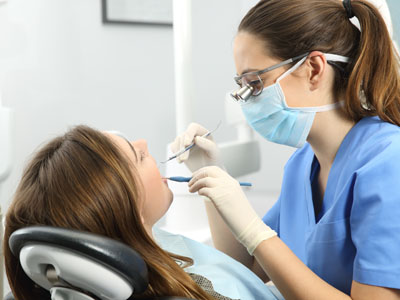
Good daily hygiene lays the foundation for a healthy mouth, but even thorough brushing and flossing can leave behind plaque in tight spaces and along the gumline. Professional dental cleanings remove hardened deposits and areas you may miss at home, while giving your care team a chance to evaluate oral health and catch early problems. This page explains how routine cleanings protect your smile, what a modern cleaning involves, and how to make the most of preventive care between visits.
Many people think of cleanings as a cosmetic touch-up, but they serve an important medical purpose. Plaque — the sticky film that forms on teeth — contains bacteria that produce acids and toxins. Left to accumulate, plaque mineralizes into tartar (calculus), which bonds to tooth surfaces and can only be removed by a trained clinician. Removing these deposits reduces bacterial load and helps prevent decay and gum inflammation.
Professional cleanings also let your dental team measure and monitor gum health. Small changes in pocket depth, bleeding on probing, or tissue appearance can signal early periodontal disease. When identified early, these issues are easier to manage; routine cleanings are a key component of that early-detection strategy.
Finally, cleanings contribute to overall wellbeing. There is growing evidence linking oral inflammation with systemic conditions such as cardiovascular disease and diabetes. While a cleaning is not a cure-all, keeping your mouth healthy supports broader health goals by reducing chronic oral inflammation and its potential effects.
Dental cleanings remove the bacterial biofilm and debris that cause cavities and periodontal disease. The process targets plaque along the gumline and between teeth, areas that often escape even attentive home care. By minimizing bacterial reservoirs, cleanings lower the likelihood of new decay forming and help stop early gum disease from progressing.
For patients with early gingivitis, professional removal of deposits coupled with improved home hygiene can reverse inflammation and restore healthier gums. In cases of established periodontal disease, cleanings are part of a maintenance program designed to control infection, reduce pocket depths, and preserve supporting bone and tissue.
Consistency matters: routine cleanings at intervals recommended by your clinician make it harder for harmful bacteria to regain a foothold. Your hygienist or dentist will assess your risk factors — such as smoking, medical conditions, or genetic susceptibility — and recommend a frequency that helps you maintain long-term oral health.
A modern cleaning is a multi-step procedure performed by a licensed hygienist or dentist. It typically begins with a careful evaluation of your gums and teeth, including a review of any recent X-rays and a brief oral cancer check. Your provider will note areas of concern and tailor the visit to your needs before beginning instrumentation.
Cleaning techniques commonly include ultrasonic scaling and manual hand instruments. The ultrasonic scaler uses gentle vibrations and water to break up tartar, while hand instruments allow the clinician to carefully remove deposits and smooth tooth surfaces. These methods are often used together to achieve thorough results with minimal discomfort.
After scaling, your teeth are polished to remove surface stains and leave enamel smooth. Some patients receive a topical fluoride application or preventive advice at the end of the visit. If you experience sensitivity or have specific concerns, the team can use topical numbing agents or adjust technique to ensure your comfort throughout the appointment.
Not all mouths are the same, so the timing and intensity of cleanings should be individualized. For people with excellent gum health and low risk of disease, a twice-yearly schedule is commonly appropriate. Patients with a history of periodontal issues, extensive restorations, or systemic health factors may require more frequent visits and specialized periodontal maintenance.
During your examination, the hygienist will evaluate pocket depths, bleeding, and attachment levels to determine the best course of care. When deeper cleaning or scaling below the gumline is necessary, the team will explain the reasons and outline a treatment plan. Regular follow-up visits help monitor progress and adjust care as needed.
Personalized care also includes home-care coaching. Your hygienist can recommend tools and techniques — such as interdental brushes, flossing methods, or electric toothbrush settings — that work best with your individual anatomy and lifestyle. This partnership between professional care and informed daily habits leads to the most reliable long-term outcomes.
Professional visits are essential, but most oral health is determined by daily routines. Brushing twice daily with a fluoride toothpaste, cleaning between teeth once a day, and limiting frequent sugary or acidic snacking all reduce the conditions that allow plaque to thrive. Small, consistent habits pay big dividends for both appearance and health.
Choose tools that suit your needs: soft-bristled brushes, floss or interdental cleaners, and antimicrobial rinses can each play a role depending on your risk profile. If you smoke or use tobacco products, quitting or reducing use significantly improves gum health and enhances the benefits of professional cleanings.
Be proactive about changes in your mouth. Persistent sensitivity, new spots of decay, persistent bad breath, or gums that bleed regularly are signs to schedule an earlier visit. By combining attentive home care with regular professional cleanings, you preserve both function and the confidence that comes with a healthy smile.
At DentMax, our goal is to make preventive care straightforward and effective so you can keep your smile healthy for years to come. If you’d like to learn more about what to expect during a cleaning or how often you should be seen, please contact us for more information.


A dental cleaning is a professional procedure in which a licensed hygienist or dentist removes plaque, tartar and surface stains from your teeth and evaluates your gum health. These appointments target areas that are difficult to reach with routine home care, such as tight contacts and the gumline, where bacterial biofilm can accumulate. Regular cleanings reduce bacterial load and help prevent decay and inflammation before they progress.
Beyond keeping teeth bright, cleanings provide an opportunity for early detection of problems like gingivitis, cavities and oral lesions. The clinical assessment that accompanies a cleaning helps your team monitor pocket depths, bleeding and tissue appearance so treatment can begin early when it is most effective. Maintaining scheduled cleanings supports long-term oral stability and overall wellbeing.
Dental cleanings remove the biofilm and hardened deposits that harbor decay-causing and inflammatory bacteria, which lowers the risk of new cavities forming. By eliminating tartar and smoothing tooth surfaces, cleanings make it harder for bacteria to reestablish themselves between visits. This reduction in bacterial reservoirs also helps limit the progression of early gum inflammation.
For patients with reversible gingivitis, professional removal of deposits combined with improved home care can restore healthy tissue. In cases of established periodontal disease, cleanings become part of a maintenance plan to control infection, reduce pocket depths and preserve support around the teeth. Consistent professional care paired with daily hygiene is the most effective strategy to prevent recurrent disease.
A contemporary cleaning begins with a focused exam that may include a review of recent X-rays, measurement of pocket depths and a quick oral cancer screening. Clinicians typically use a combination of ultrasonic scalers and manual hand instruments to remove tartar gently and thoroughly, with ultrasonic devices breaking up large deposits and hand instruments refining and smoothing root and tooth surfaces. After scaling, teeth are polished to remove surface stains and leave the enamel smooth.
Depending on your needs, the visit may conclude with a topical fluoride application, targeted home-care coaching or desensitizing treatments for sensitive areas. Hygienists document areas of concern and discuss follow-up recommendations so you understand the next steps. Comfort measures like topical anesthetic or adjusted techniques are available for patients who are anxious or prone to sensitivity.
For many people with low risk and healthy gums, a cleaning every six months is a common recommendation because it interrupts the cycle of plaque buildup before it mineralizes into difficult-to-remove tartar. Your clinician will consider individual risk factors such as smoking, diabetes, genetic susceptibility, oral hygiene habits and the presence of restorations when recommending an interval. Those with a history of periodontal disease or high risk of decay may need more frequent visits or specialized maintenance.
Regular assessment at each cleaning helps the team adjust the schedule as your needs change and ensures prompt attention if signs of disease appear. Following the interval advised by your hygienist or dentist gives you the best chance of preventing progression of oral disease. Establishing a predictable visit cadence also simplifies long-term preventive planning.
Most cleanings are well tolerated and cause only mild discomfort for people with healthy gums, though sensitivity can occur when tartar is heavy or when gum recession exposes sensitive root surfaces. Clinicians use gentle techniques and can adapt instruments, pressure and sequencing to minimize irritation during the appointment. Simple measures such as warm rinses, breaks during treatment and clear communication about discomfort help keep the visit manageable.
For patients who experience anxiety or significant sensitivity, topical anesthetics or localized numbing can be used to increase comfort during scaling. Your dental team can also recommend desensitizing toothpastes and home strategies to reduce sensitivity between visits. If fear or a strong gag reflex is a concern, discuss coping options with your provider before the appointment so a plan can be arranged.
Yes. When periodontal disease is present, cleanings often include deeper scaling and root planing to remove bacteria and calculus from below the gumline and to smooth root surfaces so tissue can reattach. These procedures may be performed over multiple visits and are followed by a tailored periodontal maintenance schedule to control infection and monitor healing. The clinician will measure pocket depths and attachment levels at each visit to gauge progress and adjust care.
Periodontal maintenance visits tend to occur more frequently than routine cleanings and may include adjunctive therapies such as localized antimicrobials or targeted home-care recommendations. Long-term success depends on both professional maintenance and diligent at-home care, including the specialized tools and techniques your hygienist prescribes. Coordination with your general health care provider can also be important if systemic conditions influence periodontal response.
Preparing for a cleaning is straightforward: arrive with a list of current medications and any recent health changes, and let the team know about new dental concerns or symptoms. If you have removable appliances such as a retainer or night guard, bring them so the clinician can check fit and cleanliness. Good communication about medical history and sensitivities helps the provider tailor the visit for safety and comfort.
A light meal before the appointment is fine, and avoid heavy alcohol use or tobacco immediately beforehand to improve comfort and assessment accuracy. If you experience dental anxiety, mention this when scheduling so staff can allow extra time and offer coping strategies. Clear expectations and open dialogue lead to smoother, more effective visits.
Daily brushing with a fluoride toothpaste twice a day and cleaning between teeth once a day are the foundation of effective home care and directly support the results of professional cleanings. Interdental brushes, floss, and antimicrobial rinses can be recommended based on your individual anatomy and risk factors, and selecting tools that you will use consistently matters more than choosing the most expensive option. Limiting frequent sugary or acidic snacks reduces the environment that allows plaque to thrive.
Maintaining regular appointments, following personalized hygiene instructions from your hygienist and addressing habits like tobacco use will extend the health gains from each cleaning. If you notice persistent bad breath, bleeding, or new sensitivity between visits, schedule an earlier check so problems can be evaluated promptly. A partnership between informed at-home care and professional maintenance yields the best long-term outcomes.
Yes. Children often require a gentle, educational approach that includes coaching on brushing technique, monitoring for early decay and discussing preventive measures like sealants and fluoride where appropriate. Cleanings for pediatric patients are shorter and focus on establishing positive habits and comfort with dental visits. Scheduling and communication with parents about home care and developmental milestones are key components of pediatric maintenance.
Older adults may face unique challenges such as dry mouth from medications, receding gums, exposed root surfaces and complex restorations that require focused attention during cleanings. The clinician will assess denture hygiene, implant maintenance and any functional changes that affect cleaning technique. Regular review of medications and coordination with medical providers can improve oral care strategies for seniors.
Oral health and systemic health are connected; chronic oral inflammation can contribute to increased inflammatory burden that is associated with conditions such as cardiovascular disease and diabetes. By reducing bacterial load and resolving gum inflammation, regular cleanings help lower sources of chronic oral inflammation and support broader health goals. Cleanings also provide a platform for screening for signs of systemic disease that manifest in the mouth.
If you have a medical condition that affects healing or infection risk, your dental team will factor that into preventive and maintenance planning to protect both your oral and overall health. At DentMax we emphasize preventive care as a way to help patients maintain function and wellbeing over time. Discuss any systemic health concerns with your clinician so care can be coordinated effectively.

We’re here to help you take the next step in your care.
Whether you have a question, need to schedule an appointment, or want to learn more about our services, our friendly team is ready to assist. Reach out today and we’ll help you find a time that works for you.