Modern materials and techniques have made replacing missing teeth more natural and reliable than ever. While options such as dental implants and fixed bridges offer long-term, fixed restorations for many patients, removable dentures remain an important choice for restoring form and function when one or more teeth are missing. They are versatile, time-tested, and can be tailored to fit a wide range of oral situations.
At the office of DentMax, we focus on crafting dentures that look natural and fit comfortably. Every prosthesis is designed to support facial contours, restore clear speech, and allow patients to chew more confidently. Our approach balances esthetics, function, and patient comfort at every step.
We take a personalized view of denture care. That means assessing each patient’s oral health, lifestyle, and goals before recommending a solution. Whether a patient needs a partial replacement or a full set, our team works to create prosthetics that feel like a natural extension of the mouth.
Losing teeth affects more than your smile. Missing teeth can change how you bite, shift the position of remaining teeth, and alter jaw alignment over time. These changes may lead to uneven wear, difficulty chewing, and an increased risk of further dental problems if left unaddressed.
Beyond functional concerns, tooth loss has psychological and social impacts. Many patients report feeling self-conscious about gaps in their smile, which can influence social interactions and overall well-being. Restoring a full dental appearance with a well-designed denture often improves confidence and daily comfort.
Replacing missing teeth sooner rather than later helps preserve oral structures and prevents progressive changes that can complicate future treatment. Dentures — whether partial or complete — provide an effective way to rebuild a stable, attractive smile when implants or fixed bridges are not the ideal option.

Dentures are custom-made, removable appliances that rest on the gums and replace missing teeth with artificial teeth set in a supportive base. The base is shaped to follow the contours of the jaw so the prosthesis can distribute biting forces comfortably and fit securely during everyday activities.
Because dentures are removable, patients can take them out to clean both the appliance and the tissues beneath it. This feature helps maintain tissue health and makes hygiene routines straightforward. Dentures can be worn during the day and removed at night to allow gums and bone to rest.
Modern denture materials and lab techniques make today’s prosthetics more lifelike and comfortable than ever. With careful design and professional adjustments, many patients find that contemporary dentures restore much of the look and function they had before tooth loss.
A successful denture begins with a thorough clinical evaluation. We examine remaining teeth, gums, jawbone, and overall oral function to determine whether a partial or a full denture is the appropriate choice. Factors such as the number and condition of remaining teeth, bite alignment, and patient preferences all influence the recommended design.
Full dentures replace all the teeth in the upper jaw, lower jaw, or both, while partial dentures fill in gaps when some natural teeth remain. Each option has variations and features that can be selected to improve comfort, stability, and appearance depending on individual needs.
When natural teeth are present, a partial denture often uses clasps or precision attachments to anchor to adjacent teeth. When all teeth are missing, a complete denture relies on careful fitting to the gums and underlying bone; in many cases, additional retention options such as attachments to implants or overdenture designs can enhance stability.
Complete dentures can be fabricated and inserted after any remaining teeth are removed and the tissues have healed, which allows for a stable, well-adapted fit. This conventional approach often provides predictable comfort once healing is complete and any final adjustments are made.
Immediate Dentures
Immediate dentures are placed at the same appointment as extractions so the patient leaves with teeth in place. While they eliminate a period without teeth, they typically require follow-up relines or adjustments as the mouth heals and tissues change shape.
Overdentures
Overdentures gain extra support by attaching to remaining natural tooth roots or to specialized attachments over implants. This approach preserves bone and improves retention compared with a conventional full denture.
Implant-Supported Dentures
Implant-supported dentures clip onto or are secured by a small number of dental implants placed in the jaw. These implants act as anchors and can dramatically increase stability and chewing efficiency for the wearer.
Partial dentures are designed to blend with remaining teeth while filling gaps to restore chewing function and prevent unwanted tooth movement. Advances in materials provide options ranging from metal frameworks to flexible resins, each chosen to balance strength, comfort, and esthetics.
When planning a partial denture, we pay careful attention to support, retention, and the long-term health of the teeth that will support the appliance. Thoughtful design helps distribute forces evenly and minimizes the risk of damage to the remaining dentition.
Our goal is to create a partial denture that integrates smoothly with your natural teeth so you can speak, eat, and smile with confidence.
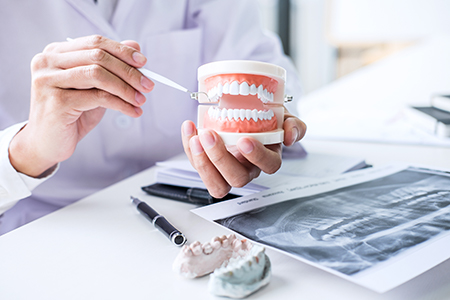
Designing a comfortable, attractive denture is a multi-step process that combines clinical expertise with laboratory craftsmanship. We begin with a comprehensive exam and diagnostic imaging to evaluate bone, tissue contours, bite relationships, and any remaining teeth that may affect the prosthesis.
From there, impressions and models are used to create custom trays and trial fittings. These try-ins allow us to evaluate tooth position, bite, and esthetics before the final prosthesis is processed. Attention to these details improves comfort and reduces the need for extensive adjustments after insertion.
Sometimes preliminary procedures—such as smoothing bony edges or extracting non-restorable teeth—are necessary to create an optimal foundation for a denture. We review all options and tailor the treatment sequence to each patient’s needs to achieve the most reliable outcome.
Whether a case requires a straightforward denture or a more integrated approach involving implant attachments, our focus is on predictable function, natural appearance, and long-term oral health.

Adjusting to a new denture can take a few days to a few weeks. It’s common to experience increased saliva and a brief period of altered speech as your mouth adapts. Gradually increasing wear time and practicing speaking aloud can help you gain confidence more quickly.
Eating with a new denture is a gradual process. Start with softer foods and cut items into smaller pieces, chewing on both sides to stabilize the appliance. Over time, most patients regain the ability to enjoy a wide variety of foods.
Proper daily care preserves the denture and the health of the underlying tissues. Rinse and brush the prosthesis after meals, soak it overnight in water or a recommended cleanser, and continue to brush any remaining natural teeth and gums. Removing dentures at bedtime helps the tissues recover and reduces the risk of irritation.
Relines and periodic adjustments
Because the shape of the jaw and gums changes over time, dentures may require relines or adjustments to maintain a comfortable fit. Regular follow-up visits allow us to monitor tissue health and make refinements as needed.
Enhanced retention options
For patients who need extra stability, attachments to implants or precision mechanisms can reduce slipping and improve bite force. We will discuss whether these enhancements are appropriate during planning.
Routine oral exams
Regular dental examinations are important when you wear dentures. These visits let us check the fit and condition of the prosthesis, examine oral tissues, and address any concerns before they become problematic.
At the practice, our aim is to provide dentures that restore function and confidence while supporting long-term oral health. If you have questions about which denture option is right for you or what to expect during treatment, please contact us for more information.


Today, it’s easier than ever to replace missing teeth and achieve natural-looking, durable, and long-lasting results! Depending on a patient’s dental needs, lifestyle, expectations of care, and budget, choices can include conventional fixed bridgework, dental implants, or removable partial and complete dentures. At the office of DentMax, we’ll discuss all your options in care and answer all your questions as you choose the solution that’s right for you.
With advances in dental materials and technology, today’s dentures are more comfortable and realistic-looking than ever before.
Whether you wear partial or complete dentures, it’s essential to see the dentist for routine care. Besides checking the fit and condition of your dentures and making any necessary adjustments, you’ll also receive a comprehensive exam to check on the health of any remaining teeth as well as the soft and hard tissues in and around the oral cavity.
A same-day denture offers an accelerated design and fabrication process that allows a patient to go from impression taking to denture insertion in a single day.
For patients who don’t want to wait after having teeth extracted, an immediate denture can be inserted the same day your teeth are removed. Sometime later you may need the denture relined to address any changes in its fit once the extraction sites have completely healed.
While no one wants to drop or break a partial or complete denture, accidents do happen. The good news is that in some cases, your partial or complete denture is reparable. It all depends on the extent of the damage. Don’t hesitate to contact our office if you’ve broken or damaged your denture. We’re happy to help.
The simple act of taking your partial denture in and out can cause certain types of metal clasps to loosen over time. When you come in for your checkup visit or contact our office for an adjustment, we’ll assess the fit of your partial and tighten the clasps for improved stability and comfort.
While rebuilding a complete smile is a worthwhile investment, our office is sensitive to the costs involved in dental care. We customize care and will discuss which treatment options address your needs, lifestyle, and budget. How much a new denture will cost depends on the type of the prosthesis, its design, and the materials used to fabricate the supportive base, teeth, and clasps or precision attachments. Dentures that include the placement of dental implants for added retention and stability typically involve additional costs.
If you have dental insurance, your coverage may include a new or replacement set of dentures. Our staff is happy to review your coverage with you to ensure you are maximizing your insurance benefits while minimizing any out of pocket expenses.
At the office of DentMax, we provide an extensive range of dental services, including the latest and most effective methods to help patients with missing teeth rebuild complete and beautiful smiles. As skilled and experienced professionals, we recognize that every patient is different, and every smile is unique. We’re passionate about what we do and take great pride in providing personalized treatment plans while treating our patients as valued partners in care.
Dentures are custom-made, removable appliances that replace missing teeth and the surrounding tissues. They consist of artificial teeth set into a supportive base that rests on the gums and distributes biting forces. Modern dentures are made with advanced materials and laboratory techniques to improve comfort and appearance.
Dentures restore the ability to chew and speak more clearly while supporting facial contours that change after tooth loss. Because they are removable, patients can clean the appliance and oral tissues separately, which helps maintain hygiene. Some dentures rely entirely on their fit to the gums, while others use attachments or implants to enhance stability.
Full or complete dentures replace all teeth in the upper or lower jaw and are used when no natural teeth remain. Partial dentures fill the gaps when some natural teeth are still present and often use clasps or precision attachments for retention. Both designs can be customized for color, tooth shape, and base contours to achieve a natural appearance.
Immediate dentures are inserted at the same appointment as extractions so a patient does not go without teeth during healing. They provide an immediate cosmetic solution but typically require follow-up relines as the tissues remodel. Conventional dentures are made after tissues have healed to provide a more stable long-term fit.
Overdentures and implant-supported dentures connect to natural roots or dental implants to improve retention and chewing efficiency. Implant-supported options can help preserve surrounding bone by transferring forces to the jaw. Your clinician will discuss which options best match your oral health, anatomy, and lifestyle.
A candidacy evaluation begins with a comprehensive oral exam that reviews remaining teeth, gums, bone levels, and bite relationships. We also consider overall health factors and personal goals such as comfort, esthetics, and function. In some cases, preliminary procedures like extractions or minor ridge modification may be recommended to prepare the mouth.
If you are interested in enhanced stability, clinicians will assess whether dental implants are an appropriate adjunct to a denture. Bone quantity and quality, medical history, and patient preferences all influence whether implant attachments are advised. If implants are not suitable, high-quality conventional or overdenture designs can still deliver reliable results.
Treatment starts with a thorough consultation, diagnostic imaging, and impressions to document the jaw relationships and tissue contours. From these records the team designs a treatment plan and creates trial restorations to evaluate tooth position and esthetics. Try-ins allow adjustments before the final prosthesis is processed, which improves fit and patient satisfaction.
Once the final denture is delivered, the practice schedules follow-up visits to fine-tune fit and address any sore spots or function issues. Occasionally relines or minor adjustments are needed as the mouth adapts after insertion or as tissues change over time. Clear instructions on care, wear time, and eating will be provided so you can adapt more comfortably.
Daily care includes gently brushing the denture with a soft brush and non-abrasive cleanser, rinsing after meals, and soaking overnight in water or a recommended solution. Avoid using hot water or abrasive household cleaners that can warp or damage the prosthesis. Continue to clean any remaining natural teeth and massage gums to support oral health.
Remove dentures at night to allow tissues to rest and reduce the risk of irritation or infection. If you use an adhesive, follow the product instructions and consult your clinician for guidance on appropriate use. Bring the denture to follow-up visits so the team can inspect it and perform professional maintenance when needed.
The lifespan of a denture depends on material quality, oral changes, and how well it is maintained, but most prostheses eventually require relining, rebasing, or replacement. Over time, natural bone and gum tissues remodel, which can loosen the fit and affect function. Regular examinations help identify when adjustments are necessary to maintain comfort and chewing ability.
Relines refresh the tissue surface of the denture to improve fit, and replacements are advised when wear or structural changes compromise esthetics or function. If implant attachments are used, the denture may also require periodic maintenance of the connection components. The dental team will recommend an appropriate schedule for maintenance based on clinical findings.
New dentures often cause temporary changes in speech and eating as your tongue and muscles adapt to the appliance. It is normal to experience increased saliva, minor lisping, or difficulty with certain words for a short period. Practicing speaking aloud, reading, and starting with softer foods can speed the adjustment.
Eating should begin with small bites and foods that are easy to chew, using both sides of the mouth to stabilize the denture. As you gain confidence, you can gradually reintroduce firmer textures and a wider variety of foods. If persistent problems occur, adjustments to the denture's fit or occlusion can often resolve them.
Implant-supported dentures use dental implants as anchors to increase retention and stability, reducing slipping and improving chewing efficiency. They transfer functional forces to the jawbone in a way that can help preserve bone over time compared with conventional, tissue-borne prostheses. Many patients find implant-retained options give them more confidence for speaking and eating.
Implant-supported designs range from removable overdentures that snap onto attachments to fixed prostheses that bolt on to implant bars. Decisions about implant number, placement, and prosthesis design depend on anatomy, health history, and the desired balance of maintenance and convenience. A thorough clinical and radiographic evaluation determines whether implant support is the most appropriate path.
Sore spots, excessive movement, and initial changes in saliva are common during the first weeks of wear and typically resolve with minor adjustments. Clinicians can smooth high areas, adjust the bite, or recommend a short relining to improve comfort. Persistent irritation or signs of infection should be evaluated promptly to prevent complications.
Difficulty with retention may indicate the need for a reline, addition of a soft liner, or consideration of attachments or implants for enhanced stability. Fractures or worn teeth on the prosthesis can often be repaired in the laboratory if addressed early. Regular follow-up care helps catch and correct problems before they affect long-term success.
Routine dental exams are important even when you wear dentures, typically every six months or as recommended based on your oral health. These visits allow the clinician to check tissue health, assess fit, and screen for oral disease. Regular monitoring helps detect changes early and maintain a comfortable, functional prosthesis.
If you experience pain, persistent sores, difficulty with eating, or dramatic changes in fit, schedule an appointment promptly for evaluation. Follow-up visits after insertion are usually more frequent initially to manage adaptation and any necessary adjustments. Keeping scheduled exams ensures your dentures remain an effective part of your overall oral care plan.
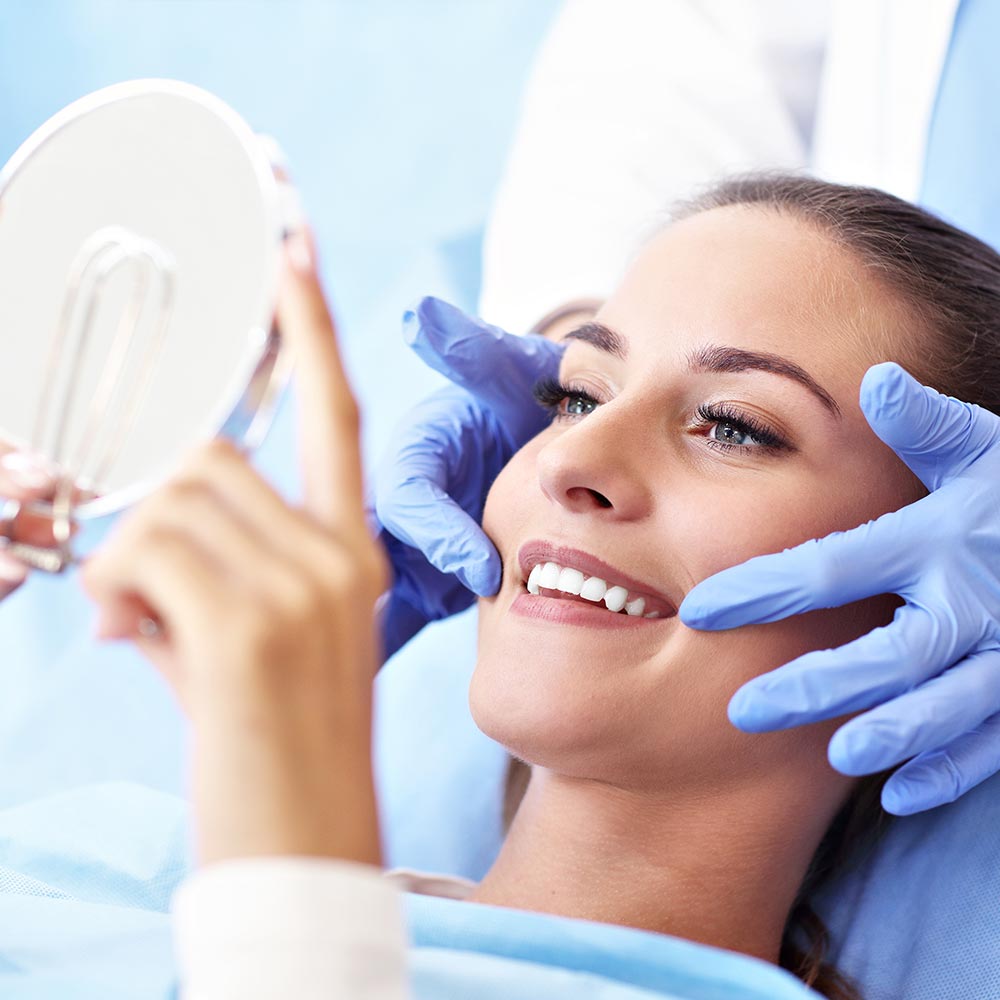
We’re here to help you take the next step in your care.
Whether you have a question, need to schedule an appointment, or want to learn more about our services, our friendly team is ready to assist. Reach out today and we’ll help you find a time that works for you.