Missing teeth affect more than appearance — they change how you eat, speak, and how the jaw ages over time. Millions of adults live with at least one missing tooth, and advances in dental implant technology have made reliable, long-lasting replacement a realistic option for many patients. Implant dentistry focuses on restoring both function and form so you can return to everyday activities without compromise.
Dental implants are engineered to integrate with bone and provide a stable foundation for crowns, bridges, or full-arch restorations. Because they mimic the role of natural tooth roots, implants preserve bone volume and support surrounding teeth, helping to maintain facial structure and bite alignment. The result is a restored smile that looks natural and supports long-term oral health.

At DentMax, we take an individualized approach to implant care, assessing each patient’s oral health, medical history, and personal goals before recommending treatment. Whether you’re replacing a single tooth or rebuilding an entire arch, modern implant protocols can be tailored to meet your functional needs and aesthetic expectations while prioritizing comfort and predictable outcomes.
Dental implants are small, biocompatible posts—typically made of titanium or titanium alloy—that are placed into the jawbone. Over time, the bone bonds to the implant surface through a process called osseointegration, creating a rigid connection that behaves much like a natural root. This stability is what allows implant-supported restorations to feel secure and perform well when chewing and speaking.
Because implants provide root-like support, they transfer chewing forces to the jawbone and help preserve bone density. That ongoing stimulation prevents the bone loss that commonly follows tooth extraction and contributes to the sunken facial appearance often associated with long-term tooth loss. For many patients, this means improved function and a more youthful facial profile.
Implants also accommodate a wide range of restorations—from single crowns that replace one tooth to bridges and full-arch prostheses—so treatment can be customized to match each patient’s oral situation and cosmetic goals. The choice of crown material, abutment design, and prosthetic approach is guided by both functional requirements and aesthetic preferences.
One of the most compelling advantages of implants is their ability to restore everyday function. Patients who choose implants typically regain confidence when eating and speaking, with fewer dietary restrictions than those who wear traditional removable dentures. The security of an implant-supported restoration removes the worry of slippage and improves comfort during social situations and meals.
Implants also reduce the need to alter healthy adjacent teeth. Conventional bridges often require preparing neighboring teeth to support the restoration, which can compromise healthy tooth structure. Implants provide independent support for replacement teeth, preserving surrounding natural teeth and maintaining long-term oral integrity.
From a maintenance perspective, implants do not decay, and with good oral hygiene and routine dental care, they can provide a durable solution that supports a patient’s quality of life for many years. Regular checkups allow the dentist to monitor tissue health, fit, and function so any concerns are addressed early.
An implant-supported tooth has three primary components: the implant (the post placed in bone), the abutment (which connects the implant to the restoration), and the prosthesis (a crown, bridge, or denture). Each component is selected and designed to work together, providing an aesthetic and functional replacement that aligns with a patient’s bite and smile line.
The clinical process begins with a thorough evaluation that often includes digital imaging to assess bone volume and anatomical landmarks. A careful treatment plan establishes the number and placement of implants, whether any preparatory procedures are needed, and the timeline for provisional and final restorations. Clear communication throughout the process helps patients know what to expect at every stage.
Surgical placement is typically performed in a comfortable, outpatient setting. Many practices offer local anesthesia with optional sedation to help patients remain relaxed. After placement, a healing period allows for integration; in some cases immediate temporaries are possible, while other situations benefit from staged approaches to ensure optimal long-term results.
Implants are widely regarded as a clinical gold standard for many reasons. They deliver a level of stability and bite efficiency that closely resembles natural dentition, they protect bone and soft-tissue contours, and they preserve the integrity of neighboring teeth. This combination of advantages explains why implants have become a mainstream solution for restorative dentistry.
Long-term studies demonstrate high success rates when implants are placed using careful planning and proven surgical protocols. Predictable outcomes depend on selecting appropriate implant types, precise placement, and diligent follow-up care. When these elements come together, implants provide a reliable and functional foundation for a variety of restorations.
Beyond clinical success, implants contribute to a patient’s overall well-being. Restored chewing efficiency supports better nutrition, and a stable smile can improve social confidence. The cumulative effect is often enhanced quality of life—something dentists consider a key measure of treatment success.
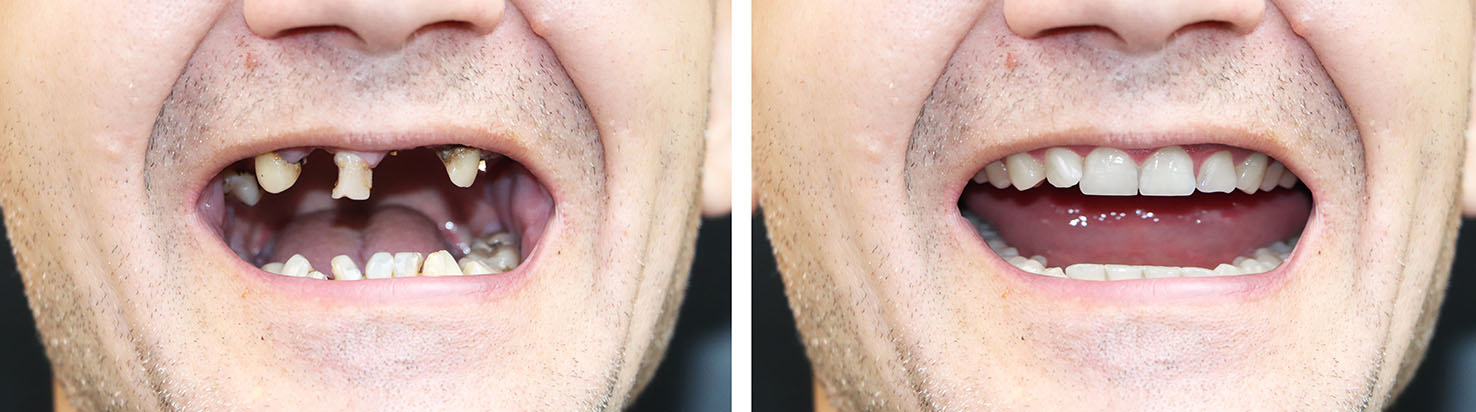
Many patients are suitable candidates for implants, but candidacy is determined by a combination of oral health, bone volume, medical considerations, and lifestyle. A comprehensive evaluation, including imaging and a review of medical history, helps the dental team recommend the most appropriate pathway. Smoking, uncontrolled systemic conditions, and significant bone loss may require additional planning or preparatory procedures.
When additional support is needed, options like bone grafting or ridge augmentation can often create the foundation necessary for successful implant placement. These preparatory steps are common and can be performed to rebuild adequate bone and soft tissue so implants have the best chance for long-term success.
Implant placement is typically an outpatient procedure performed under local anesthesia with the option of sedation for added comfort. The surgical protocol varies by case: some patients receive immediate provisional restorations, while others follow a staged approach to allow full osseointegration before final prosthetic work. Clear preoperative and postoperative instructions help patients achieve predictable healing.
After the implant integrates with bone, the restorative phase begins—custom abutments and prostheses are designed to match the patient’s bite, occlusion, and aesthetic goals. The practice’s laboratory partnerships and digital workflows contribute to precise, well-fitting restorations that blend function with natural aesthetics.
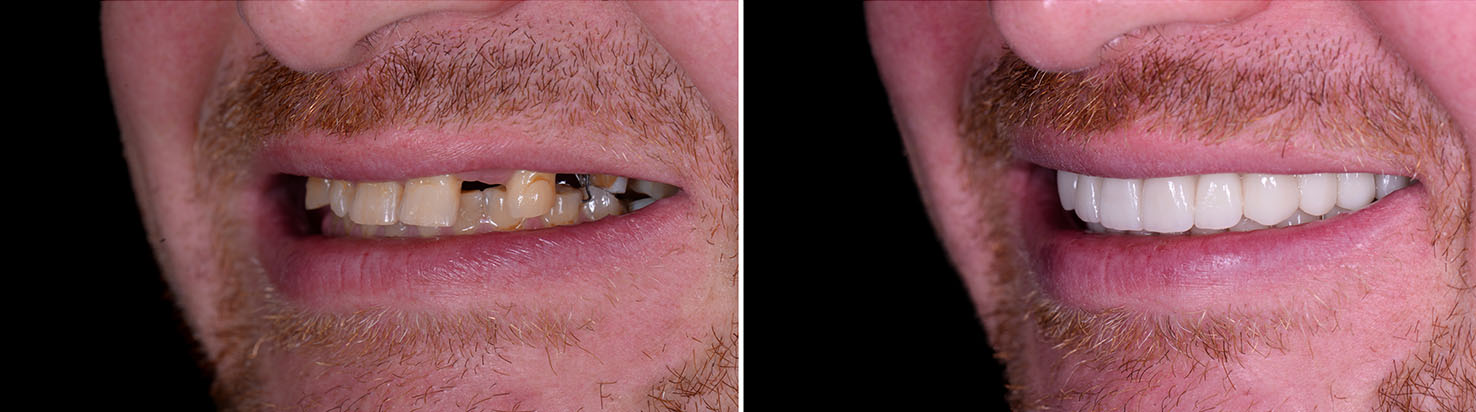
Long-term success depends on good oral hygiene and regular professional care. Routine dental examinations and cleanings allow clinicians to monitor peri-implant tissues and address any changes early. Patients are also coached on home-care techniques tailored to implant restorations, including interdental cleaning and appropriate toothbrush selection.
Decisions about timing, material selection, and prosthetic design are made with each patient’s health and lifestyle in mind. Throughout treatment, the dental team focuses on transparent communication, patient comfort, and realistic expectations so patients understand the phases of care and the steps required to protect their investment in oral health.
Dental implants offer a reliable way to replace missing teeth while preserving oral health and restoring confidence. With careful planning, modern surgical techniques, and attentive follow-up care, implants can deliver a natural-feeling, long-lasting result that supports daily life and overall well-being. The practice combines clinical expertise with patient-centered communication to guide individuals through each phase of treatment.
If you’d like to learn more about implant dentistry or discuss whether implants are right for you, please contact us for more information. Our team is happy to explain options and help you take the next step toward a complete, healthy smile.


If you've lost a tooth due to injury, decay, gum disease, or any other reason, we recommend dental implants to replace missing teeth. Dental implants come the closest to replicating the look, feel, and function of your natural teeth.
Dental implants are placed into the jawbone and mirror the same function as the root of a tooth. The procedure for dental implants is usually performed while a patient is sedated. Patients who undergo IV sedation must have an empty stomach and transportation home following the procedure. Most sedation patients will have little to no memory of the procedure occurring.
Generally, dental implants are made out of a biocompatible metal such as titanium. Biocompatible metals are also used for other common bone implants (such as shoulder, hip, and knee replacements). The visible portion of the implant is usually made out of porcelain and is custom-made to match your existing teeth.
Dental implants are designed to fuse to the bone, which makes them become permanent fixtures. Typically speaking, the success rate is nearly 100%. There are few cases in which the implant will not fuse as intended and must be removed. If this happens to occur, the procedure can be attempted again a few months later.
Dental implants are not usually covered by dental insurance, but may be covered under a patient's medical insurance. Our office and your insurance company can discuss coverage options with you based on your individual case and treatment plan.
It's easy... just take care of an implant as if it's a natural tooth! This involves regular brushing, flossing, and dental checkups. If you have any concerns about your implant, contact us immediately.
Dental implants are biocompatible posts, most commonly made from titanium or titanium alloy, that are placed into the jaw to replace missing tooth roots. Over time the surrounding bone bonds to the implant surface through a process called osseointegration, which creates a stable foundation for a crown, bridge or denture. This root-level support allows implant restorations to function much like natural teeth for chewing and speaking.
Because implants transfer chewing forces to the jawbone, they help preserve bone volume and support surrounding teeth and soft tissue. Maintaining bone height also helps retain facial contours and bite alignment, reducing the sunken appearance that can follow tooth loss. The prosthetic component is customized to match a patient’s bite and smile line for a natural-looking result.
Candidacy for implants is determined by a combination of oral health, bone volume, general medical history and lifestyle factors. Patients need healthy gum tissue and adequate jawbone to support implant placement; if bone is insufficient, preparatory procedures such as bone grafting or ridge augmentation can often create a suitable foundation. A thorough evaluation, including imaging and a review of medications and chronic conditions, helps clinicians recommend the best pathway.
Certain systemic conditions and habits, such as uncontrolled diabetes or tobacco use, can affect healing and may require additional planning or risk mitigation. Many patients with controlled medical issues can still proceed with implants when treatment is coordinated with their medical providers. The dental team will discuss any needed preparatory work and realistic expectations during the consultation.
The overall timeline varies by case but commonly includes consultation and imaging, surgical placement of the implant, a healing period for osseointegration, and a restorative phase to attach the final prosthesis. Initial evaluation and treatment planning typically require one or more visits with digital imaging to map bone anatomy and determine implant position. Surgical placement is usually performed in an outpatient setting with local anesthesia and optional sedation, and patients receive clear preoperative and postoperative instructions.
Healing and integration most often take several months, though some modern protocols allow for immediate provisional restorations in select cases. After adequate healing, custom abutments and final crowns or prostheses are fabricated and adjusted to achieve proper occlusion and esthetics. Routine follow-up appointments ensure tissue health and restoration fit over time.
Implant restorations range from single crowns that replace one tooth to implant-supported bridges, fixed full-arch prostheses and implant-retained overdentures. Single-tooth implants preserve adjacent natural teeth by providing independent support, while implant-supported bridges can replace multiple adjacent teeth without prepping healthy neighbors. Fixed full-arch solutions and All-on-style restorations are common options for patients who need replacement of a complete arch and desire the stability of nonremovable prostheses.
Overdentures attach to a limited number of implants and offer improved retention and comfort for denture wearers while remaining removable for hygiene if desired. The choice of restoration depends on the number of missing teeth, bone availability, patient preferences and functional goals. Your clinician will review advantages, maintenance needs and expected outcomes for each option during planning.
Long-term success of dental implants depends on consistent home care and regular professional monitoring. Patients should brush twice daily with a soft-bristle toothbrush, clean interdental spaces with floss or interdental brushes designed for implants, and follow any additional home-care recommendations provided by the dental team. Good plaque control helps protect the surrounding gum tissue and prevents inflammation around the implant.
In-office maintenance is equally important; routine dental checkups and professional cleanings allow clinicians to assess peri-implant tissues, check restoration fit and address early signs of complications. The dental team may recommend more frequent recalls for patients with higher risk to ensure ongoing health and function. With diligent care and periodic professional evaluation, implants can remain stable and functional for many years.
Implant placement is typically performed with local anesthesia, which numbs the surgical site and minimizes discomfort during the procedure. Many practices offer oral or intravenous sedation for patients who prefer additional relaxation, and clinicians take steps to ensure a comfortable experience. After surgery, some swelling, mild bruising and discomfort are common and usually manageable with prescribed or recommended over-the-counter medications and cold therapy.
Recovery time varies by individual and case complexity, but most patients return to normal activities within a few days while following soft-food recommendations and care instructions. Good oral hygiene and adherence to postoperative guidelines support predictable healing. The team will schedule follow-up visits to monitor integration and provide guidance for each stage of recovery.
Dental implants help preserve jawbone by transmitting functional chewing forces to the bone, which maintains normal remodeling and prevents the resorption that often follows tooth loss. This stimulation supports bone volume and preserves the contours of the jaw, which in turn helps maintain facial support and a more youthful profile. Preserving bone is also important for the long-term stability of adjacent teeth and overall oral function.
When teeth are missing for an extended period, bone loss can lead to changes in bite relationships and facial appearance that may complicate future restorative work. By restoring root-level function, implants reduce those secondary changes and contribute to nutritional wellbeing by enabling comfortable chewing. In cases of significant bone loss, grafting procedures can rebuild adequate foundation for implant placement and restore structural support.
Modern implant planning commonly relies on digital imaging such as cone-beam computed tomography (CBCT) to evaluate bone volume, nerve position and sinus anatomy in three dimensions. Digital impressions, treatment planning software and virtual implant placement allow clinicians to design precise surgical guides and prosthetic solutions that align with a patient’s occlusion and esthetic goals. These technologies improve predictability and help avoid critical anatomical structures during surgery.
Guided surgery and collaboration with skilled dental laboratories contribute to accurate implant positioning and well-fitting restorations. A comprehensive plan outlines the number and placement of implants, any needed preparatory procedures, the provisional timeline and the final restorative strategy. Clear communication about each phase helps patients understand expectations and the steps required for a successful outcome.
As with any surgical procedure, dental implant treatment carries potential risks, including infection, delayed healing, nerve irritation and implant failure in rare cases. Peri-implantitis, an inflammatory condition affecting the tissues around an implant, is a recognized complication and is often related to insufficient plaque control or other risk factors. Early detection through routine monitoring helps clinicians address problems before they progress.
Risk reduction begins with careful patient selection, thorough treatment planning and adherence to sterile surgical technique. Patients can play a major role by maintaining good oral hygiene, attending regular professional visits and following postoperative instructions closely. If signs such as persistent pain, swelling or loosening occur, patients should contact their dental team promptly for evaluation and treatment.
Choosing a practice involves evaluating clinical experience, available technology and the quality of communication during the consultation. Expect a comprehensive exam that includes medical history review, digital imaging and a discussion of treatment goals, alternatives and any preparatory steps that may be required to achieve predictable results. The consultation is also an opportunity to ask about the team involved in surgery and restoration and to understand the recommended timeline.
At DentMax, the team emphasizes patient-centered communication and stepwise planning to help patients make informed decisions about implant care. Your consultation will focus on both functional outcomes and esthetic expectations, with clear explanations of each phase of treatment and follow-up care. A collaborative approach helps ensure that the chosen solution aligns with your oral health needs and daily life.

We’re here to help you take the next step in your care.
Whether you have a question, need to schedule an appointment, or want to learn more about our services, our friendly team is ready to assist. Reach out today and we’ll help you find a time that works for you.