At the office of DentMax, the health and development of your child's smile are our highest priorities. Our goal is to help young patients build a strong foundation for lifelong oral health while making each visit comfortable, informative, and positive for both children and their caregivers.

Pediatric dentistry is about more than treating teeth — it's about supporting healthy growth, building good habits, and helping children feel secure at the dentist. From that first visit to routine preventive care and timely treatment, our approach centers on gentle communication and age-appropriate techniques so kids leave with a better understanding of oral health and a positive memory of their dental experience.
Preventive care is the backbone of pediatric dentistry. Regular checkups allow us to catch small problems before they become painful or complicated, and preventive services such as cleanings, fluoride applications, and sealants can dramatically reduce the risk of cavities. We emphasize education for both child and parent: teaching toothbrushing skills, discussing nutrition, and reviewing habits that support strong teeth and gums.
Our team works to make the office a welcoming place where questions are encouraged and anxiety is minimized. We tailor explanations and treatment choices to a child's developmental stage, offering distractions, demonstrations, and gentle reassurance as needed. This individualized attention helps build trust so children are more cooperative and engaged in their care — which supports long-term oral health.
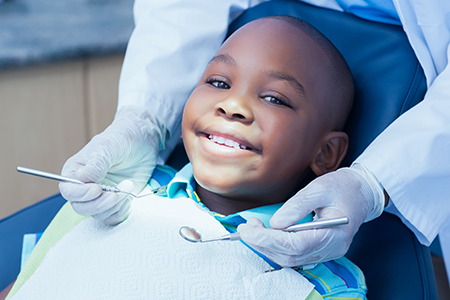
Healthy development is a process: teeth erupt, baby teeth make space for adult teeth, and the jaws change rapidly during childhood. Regular dental visits let us monitor these changes and intervene early if something appears off track. Routine exams include a review of medical history, a thorough visual assessment of the teeth and soft tissues, and a discussion about any concerns you or your child may have.
Dental cleanings remove plaque and other deposits that brushing and flossing can miss, helping to prevent decay and gum irritation. When recommended, we use safe, low-radiation digital radiographs to see between teeth and under the surface of the jaw — these images let us detect hidden cavities, evaluate developing teeth, and plan any future care with greater confidence.
At each visit we also provide targeted guidance: how to handle teething, when to transition to fluoride toothpaste, and techniques to make brushing more effective. Small changes at home — reinforced consistently — lead to fewer problems down the road and a better experience for your child at the dentist.
Cavities remain one of the most common health concerns for children, but decay is largely preventable when families take a proactive approach. We focus on identifying risk factors such as frequent snacking on sugary foods, inadequate brushing, or prolonged bottle use, and then creating simple, sustainable strategies to address them. Early detection means less invasive treatment and a smoother course of care for your child.
Prevention strategies often include applying fluoride varnish and placing dental sealants on permanent molars when appropriate. These treatments provide an extra barrier against harmful bacteria and acids, and they are painless, quick, and effective for many children. We’ll discuss the right timing for these steps based on your child's individual needs.
Establishing a positive dental relationship early by bringing children to the dentist for routine care
Maintaining gentle, consistent cleaning for baby and toddler teeth using age-appropriate tools
Avoiding letting infants fall asleep with milk or juice in a bottle to reduce cavity risk
Scheduling regular checkups and cleanings as recommended by the dental team
Modeling and supervising brushing and flossing to reinforce good technique and routine
Encouraging healthy snack choices and limiting sugary drinks in favor of water
Helping children stop pacifier use or thumb-sucking at the appropriate age to support proper dental development
Using a properly fitted mouthguard for contact or high-impact sports to protect teeth from injury

Baby teeth begin forming well before a child's birth, and many infants will have several front teeth by their first year. Pediatric dental care begins early — the American Academy of Pediatric Dentistry and the American Dental Association recommend a first dental visit around the time of a child’s first birthday. Early visits give parents a roadmap for oral care and allow clinicians to spot potential concerns at an early stage.
Teething can be uncomfortable for infants and stressful for caregivers. Simple, safe measures such as chilled teething rings, a clean damp cloth, or gentle gum massage often provide relief. If teething symptoms are severe or accompanied by fever or other worrying signs, contact your pediatrician or dental team for guidance.
We also help families navigate the transition from parent-led cleaning to independent brushing. Through hands-on demonstrations and positive reinforcement, children learn proper technique and gain confidence. Establishing these habits early reduces the likelihood of future problems and sets the stage for independent oral care.
Active children are at risk for bumps and falls that can affect the mouth and teeth. Knowing what to do in the moments after an injury can make a difference. For a knocked-out permanent tooth, preserve it in milk or a suitable storage solution and seek urgent dental care. For chips or loose teeth, contact your dental provider promptly; timely attention often prevents complications and can reduce the need for more involved treatment.
Prevention is equally important. Custom-fitted mouthguards are one of the most effective ways to protect young athletes from dental trauma. Depending on the sport and the child's needs, we can recommend or provide mouthguards that balance comfort, protection, and ease of use so children are more likely to wear them consistently.
When non-urgent issues arise — persistent pain, swelling, or spontaneous bleeding — our office will evaluate the situation and recommend a safe, practical plan of care. Our aim is to relieve discomfort quickly, protect developing teeth, and minimize disruption to your child's daily life.
Healthy smiles depend on more than clean teeth — they also rely on balanced jaw growth and proper tooth alignment. During routine visits we monitor facial development and how teeth erupt into the mouth. Early signs of crowding, bite irregularities, or habits that affect growth can be identified well before more invasive interventions are needed, and we’ll discuss the best timing for any orthodontic evaluation if indicated.
A balanced diet supports strong teeth and bones. Frequent exposure to sugary or sticky foods raises the risk of cavities, while calcium-rich and nutrient-dense choices support healthy development. We offer straightforward, practical advice on snack swaps, mealtime routines, and hydration that families can implement without major disruptions — small changes often produce meaningful benefits for both oral health and general well-being.
Children's dental needs evolve as they grow, and consistent preventive care helps avoid many common problems. Our practice emphasizes a team approach that includes caregivers as partners: sharing clear guidance, creating achievable routines, and providing interventions only when they are necessary for health or comfort. This steady, thoughtful approach helps children feel secure and promotes lasting oral health.
If you have questions about pediatric dental care, want guidance on a specific concern, or would like to schedule an appointment, please contact our office for more information. We welcome the opportunity to support your family and help your child maintain a healthy, confident smile.


A pedodontist is a dentist who has received advanced specialty training in meeting the dental needs of children from infancy to adolescence. Pedodontists, also referred to as "pediatric dentists," study child psychology, behavior management, caring for children with special needs, methods of handling oral/facial trauma, and various techniques for providing anesthesia and sedation. Pedodontists also understand the complexities of facial growth and development and have the clinical skills required to meet the dental needs of all children at every stage of development. Most of all, pedodontists are passionate about what they do and enjoy working with children. They strive to make every dental experience a positive one as they help children establish a strong foundation for good oral health.
Even before your child is born, their first set of teeth is already forming. In fact, by one year of age, some of your baby's front teeth will have already come into place. While the arrival of your baby's first teeth is only one of many developmental milestones, it represents an excellent time to begin a program of oral care. According to recommendations from the American Dental Association, babies should see the dentist around the time of their first birthdays.
Your baby's first teeth typically begin to appear in the 6 to 12-month range. While this is an extraordinary milestone, you need to be aware that your baby may find the experience a little bit uncomfortable. Teething can make babies feel irritable. They may be fussy, have trouble sleeping, not want to eat, and drool quite a bit.
Although you are powerless to speed up the process of teething, there are a few things that you can do to soothe your baby as the new teeth are erupting into place. Common approaches to helping your baby feel more comfortable while getting new teeth, include teething rings or a cold spoon or moist gauze rubbed over their gums.
Even for these few new teeth, it's absolutely essential to establish an effective regimen of oral care. For information on when your baby's first set of teeth will erupt into place, consult this timeline from the American Dental Association: Eruption Charts
Some children persist in sucking their thumbs or fingers beyond their preschool years. For these children, the activity continues to be a source of comfort, relaxation, and security. It may even help them fall asleep at night. However, it's essential to be aware that in the long-term, a finger sucking habit is not healthy.
If your child's thumb or finger sucking habit is still present when the permanent teeth begin to come in, your child is at a higher risk of developing a bad bite. By the age of five or six years, you need to constructively and gently help your child stop the habit.
It's also a good idea to have a comprehensive evaluation at this time. Your pedodontist can assess if there are any habit related alterations to the alignment of your child's teeth or jaws, or if it is affecting their speech or swallowing patterns. They can also discuss habit control strategies with you, as well as follow your child's bite and facial development as they grow. If interceptive appliances or corrective orthodontic care are recommended, the timetable and best options in care will be explained in complete detail.
Pediatric dentistry focuses on the oral health of infants, children, and adolescents, emphasizing growth, development, and age-appropriate care. It combines preventive services, early diagnosis, and gentle behavior guidance so children learn healthy habits and feel comfortable at dental visits. Pediatric dentists and trained teams use techniques and communication tailored to a child's developmental stage to make treatment less stressful and more effective.
At DentMax our pediatric approach prioritizes building trust with both children and caregivers while monitoring dental and facial growth. This specialized focus helps clinicians identify problems early and recommend the best timing for interventions without exposing children to unnecessary procedures. The result is a preventive foundation that supports lifelong oral health.
Professional organizations recommend a child's first dental visit around the time of the first birthday or when the first tooth appears, whichever comes first. Early visits allow the dental team to review medical history, assess oral development, and offer guidance on feeding, teething, and daily care for caregivers. These appointments also give families a chance to ask questions and learn strategies to reduce early decay risks.
During that first visit the clinician performs a visual exam and discusses a personalized schedule for future checkups and preventive services. Establishing a dental home early supports timely monitoring of eruption patterns and habits that can affect growth. Regular early care reduces the likelihood of emergency visits and builds positive associations with dental care.
Preventive pediatric care typically includes professional cleanings, examinations, fluoride varnish applications, and patient-appropriate home care instruction. Routine exams let clinicians detect early signs of decay, monitor eruption and jaw development, and provide tailored advice about brushing, flossing, and pacifier or thumb-sucking habits. When indicated, small, focused x-rays may be used to evaluate developing teeth and detect hidden problems.
Sealants are commonly recommended for newly erupted permanent molars to provide an added barrier against cavities in deep grooves. The dental team will develop a preventive plan based on a child's individual risk factors, adjusting the frequency of visits and treatments as needed. Consistent preventive care is the most effective way to minimize invasive procedures later on.
Fluoride strengthens tooth enamel and helps teeth resist the acids produced by bacteria, lowering the risk of cavities when used as part of a balanced preventive program. Fluoride varnish is applied quickly during a dental visit and is safe and well tolerated by most children when used per professional guidelines. Dental sealants are thin protective coatings placed on the chewing surfaces of molars to block food and bacteria from settling in deep grooves.
Both fluoride varnish and sealants are painless, efficient measures that extend the effectiveness of home hygiene and reduce the need for restorative care. Your dental team will recommend the appropriate timing and frequency for these treatments based on your child's age and cavity risk. Together these measures create a stronger defense against decay through the years when children are most vulnerable.
Early tooth decay often appears as chalky white spots near the gumline or in the grooves of newly erupted teeth, and it may progress to brown or dark discoloration if untreated. Children may also demonstrate sensitivity, pain while chewing, or changes in eating and sleeping habits that can signal oral discomfort. Regular dental exams are important because some decay begins between teeth or below the surface and can be missed without professional evaluation.
If you notice discoloration, persistent complaints of tooth pain, or reluctance to eat certain foods, contact your dental team for assessment. Early detection typically allows for simpler, less invasive treatments and better outcomes. Your provider can also help identify risk factors at home and suggest targeted preventive steps to reduce recurrence.
For teething discomfort, simple measures such as chilled (not frozen) teething rings, a clean damp cloth for gum massage, and gentle comfort from caregivers often provide relief. Avoiding products with unnecessary additives and contacting a pediatrician or dentist if symptoms include high fever or prolonged distress is important. Establishing a soothing routine and normalizing dental care from infancy helps children accept toothbrushing and future dental visits.
As teeth erupt, parents should begin cleaning them gently with a soft infant toothbrush and a smear of fluoride toothpaste once recommended by a dental professional. Transition from parent-led cleaning to supervised independent brushing as the child develops coordination, reinforcing technique and praising progress. Consistent, calm guidance and making oral care part of everyday routine reduce anxiety and promote healthy habits.
In the event of dental trauma, quick, calm action can preserve teeth and reduce complications. For a knocked-out permanent tooth, handle the tooth by the crown, rinse it gently if dirty, place it back in the socket if possible, or store it in milk or a suitable transport solution and seek urgent dental care. For chips, loose teeth, or soft-tissue injuries, contact your dental provider promptly so the team can evaluate the extent of damage and recommend next steps.
For injuries to baby teeth parents should still seek professional advice because evaluation helps protect the developing permanent tooth and manage pain or infection risk. Preventive measures such as wearing a properly fitted mouthguard during sports can significantly reduce the likelihood of traumatic dental injuries. Keeping the dental office's emergency guidance handy and acting quickly when problems arise improves outcomes for children.
Orthodontic evaluation often begins during the mixed dentition phase when permanent teeth are erupting, but pediatric dental visits include ongoing monitoring of jaw growth and tooth alignment at earlier ages. Signs warranting closer attention include crowding, crossbites, significant asymmetry, prolonged thumb-sucking, or difficulty chewing and speaking. Early identification allows clinicians to recommend the most appropriate timing for specialist referral or interceptive treatment when indicated.
Not all alignment issues require immediate intervention; sometimes careful observation and timed referral to an orthodontist produce the best long-term outcome. When early treatment is recommended, the pediatric dental team coordinates with orthodontic specialists to balance growth considerations and minimize future complexity. Regular evaluations let families plan ahead and address concerns before they become more involved.
Nutrition directly affects tooth development and the oral environment that either promotes or discourages decay. Frequent exposure to sugary and sticky foods increases cavity risk by feeding harmful bacteria, while calcium-rich foods, lean proteins, and plenty of water support strong teeth and overall growth. Attention to meal timing and limiting sugary beverages between meals reduces the frequency of acid attacks on enamel and helps maintain a healthier mouth.
Practical strategies include offering whole fruits instead of sugary snacks, encouraging water as the primary drink, and planning balanced meals that deliver essential nutrients. The dental team can provide tailored guidance for children with special dietary needs or higher decay risk. Small, consistent changes in eating habits often yield meaningful benefits for oral health over time.
Daily habits that support strong smiles include brushing twice a day with an age-appropriate toothbrush and fluoride toothpaste, flossing as recommended, and maintaining regular professional exams and cleanings. Caregivers should model and supervise brushing until children have the manual dexterity to do it effectively, and positive reinforcement helps build lasting routines. Limiting sugary snacks, establishing consistent mealtimes, and encouraging water between meals further protect developing teeth.
Working together with the dental team helps families set realistic goals and address behavior challenges like resisting brushing or breaking thumb-sucking. When children feel supported and routines are predictable, cooperation improves and oral health outcomes follow. To discuss specific concerns or schedule a preventive visit, contact the office of DentMax for guidance tailored to your child's needs.

We’re here to help you take the next step in your care.
Whether you have a question, need to schedule an appointment, or want to learn more about our services, our friendly team is ready to assist. Reach out today and we’ll help you find a time that works for you.