If a clinician recommends root canal therapy, there’s no reason to panic. Modern root canal treatment is a routine, highly refined dental procedure designed to stop persistent pain, remove infection, and preserve a tooth that would otherwise be lost. For most patients the experience is controlled, comfortable, and focused on restoring health rather than creating drama.
Our practice emphasizes gentle care and clear communication. At the office of DentMax, we combine up-to-date instruments with patient-centered techniques so you understand each step and feel supported throughout treatment.
Saving a tooth whenever feasible is usually the most conservative approach to maintaining oral function and facial structure. A tooth that remains in place continues to support the adjacent teeth and the underlying jawbone, helping prevent drifting, bite changes, and the bone loss that can follow an extraction.
Root canal therapy removes damaged or infected internal tissues while keeping the outer shell of the tooth intact. With a well-fitted permanent restoration—commonly a crown—the treated tooth can withstand chewing forces and remain a dependable part of your bite for many years.
Advances in instrumentation, materials, and sterilization have improved outcomes and comfort. When your clinician evaluates treatment options, root canal therapy is often recommended because it addresses the source of pain and infection while preserving as much natural tooth structure as possible.

Inside every tooth there is a soft core of connective tissue, nerves, and tiny blood vessels called the pulp. When decay, trauma, or repeated dental work allows bacteria to invade this space, the pulp can become inflamed or die. Often the first clue is a change in how the tooth feels.
Symptoms vary: some patients experience sharp, lingering pain with hot or cold foods; others notice discomfort when biting, swelling near the gumline, or a darkening of the tooth. In other cases a tooth shows no obvious symptoms and the problem is discovered on a routine exam or X-ray.
Because presentations can differ, a careful clinical exam and diagnostic imaging are essential. If the pulp is irreversibly damaged, root canal therapy can remove the infected tissue, clean and seal the internal canals, and allow the tooth to heal while preventing the spread of infection.
Ongoing tooth pain that interferes with sleep or daily activities is a common sign of deep decay or nerve involvement. Pain that lingers after exposure to heat or cold often signals pulpal inflammation.
An exaggerated response to hot or cold that does not subside can indicate the pulp is irritated or damaged. Sensitivity that grows more pronounced over time deserves prompt evaluation.
Pain on chewing can mean the infection has affected surrounding tissues or that the tooth structure is compromised. Even mild tenderness can be an early warning sign.
A tooth that becomes grayish or brown after an injury often has internal changes in the pulp. Discoloration alone doesn’t always require a root canal, but it should be evaluated alongside other symptoms or X-ray findings.
Localized swelling, a pimple-like bump on the gum, or drainage near a tooth may indicate an abscess—a sign of an established infection that benefits from timely treatment.

Not all tooth problems are immediately painful, and that can create a false sense of security. In many cases an infection can advance quietly, damaging the supporting bone and neighboring teeth before symptoms force attention. Early diagnosis gives you more options and usually a simpler, more predictable treatment.
Routine dental exams and appropriate X-rays are powerful tools for identifying teeth that are at risk. When radiographic signs or clinical findings suggest an infection, addressing it sooner reduces the chances of more extensive procedures later and helps preserve your natural dentition.
Delays can allow bacteria to spread beyond the tooth, sometimes leading to increased discomfort, swelling, or the need for additional care. Seeking care when a problem is first suspected protects not only the affected tooth but also your general well-being.
Root canal therapy today is precise and technique-driven. The tooth is numbed with local anesthesia so you remain comfortable, and a small opening is made in the crown to access the internal chamber. Using magnification and specialized instruments, the dentist removes diseased tissue and carefully cleans the canal system.
Canal shaping is followed by thorough disinfection and then a three-dimensional seal with a biocompatible filling material. Depending on the tooth’s anatomy and whether infection is present, treatment might be completed in a single visit or staged across two appointments to ensure proper healing and cleanliness.
Temporary restorations protect the tooth between visits; when healing is confirmed, a permanent crown or other restoration is placed to rebuild strength and restore normal chewing function. For patients who feel anxious, supplemental sedation options are available to help them remain relaxed during care.
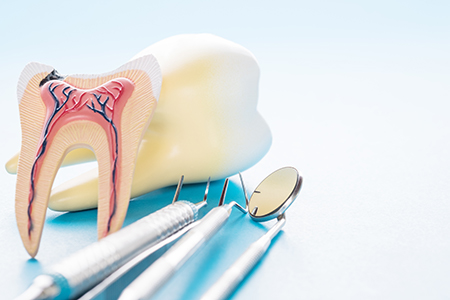
After treatment most patients notice immediate relief from the throbbing pain that brought them in. Some tenderness around the tooth and gums is normal for a few days as tissues settle, and over-the-counter pain relievers usually manage this comfortably.
If antibiotics are prescribed to control or prevent the spread of infection, it’s important to complete the full course. Likewise, protecting the treated tooth while a permanent restoration is being fabricated reduces the risk of fracture—chewing on the opposite side and avoiding hard or sticky foods helps protect the tooth.
Long-term success depends on a solid final restoration and consistent oral hygiene. A crown or suitable buildup restores function and shields the remaining tooth structure; regular dental checkups and cleanings let your dentist monitor healing and address any emerging concerns before they progress.
After anesthesia wears off, take care not to bite lips or cheeks. Avoid very hot foods until normal sensation returns to prevent accidental injury.
Mild to moderate soreness is common for a few days. Rest, short-term over-the-counter pain relief, and soft foods usually help while healing occurs. Contact your dentist if pain intensifies or does not improve.
Once root canal treatment is complete, plan to have the tooth permanently restored. A crown or equivalent restoration restores strength and reduces the chance of future complications.
Brushing, flossing, and routine visits remain essential. With proper care, a treated tooth can function well for many years—often for the lifetime of the patient.
When root canal therapy is performed with careful technique and followed by an appropriate restoration, the prognosis is favorable. If you have ongoing discomfort, swelling, or questions about the condition of a tooth, prompt evaluation helps preserve your options and protect your smile.
We are committed to thoughtful, evidence-based care and clear communication at every step. For more information about root canal treatment or to discuss your particular situation, please contact us for assistance and guidance.


A root canal procedure is the best way to save a tooth that has been damaged by decay or injury and preserve your natural smile. The alternative is an extraction and treatment to replace the tooth. While at times a tooth is non-restorable and an extraction is the only option, when possible, it’s best to try and save your natural tooth. With proper care, a tooth with root canal therapy can serve your smile well for many years to come.
Despite lingering myths from before the age of modern dental anesthesia and technology, having a root canal procedure today is as routine and comfortable as visiting the dentist for a filling. While the procedure is performed under local anesthesia with your tooth completely numbed, we can also discuss options in dental sedation.
Whether the symptoms of a dental infection subside after a course of antibiotics, a draining abscess provides you with some temporary pain relief, or a tooth with radiographic evidence of pathology has not yet developed symptoms, it’s essential, before an infection worsens or occurs, to have a root canal procedure performed. In this way, the tooth can be disinfected, filled, and sealed to protect your health and avoid further problems.
If you have sustained a dental injury, have a toothache, jaw pain, swelling, or are experiencing any other unusual and uncomfortable oral symptoms, contact our office immediately for care. Dental problems that have not been evaluated and treated can significantly worsen, producing more severe damage and consequences for the involved teeth, your oral health, and even your overall wellbeing. Once you get in touch with our office, our friendly and compassionate office team will get you in for care at your earliest convenience.
While some root canal procedures can be completed in one visit, others may involve 2 or 3 appointments. How long it takes depends on various factors, including active infection, the number of canals in the tooth, and the tooth’s location or anatomy.
With a success rate that exceeds 95%, root canal therapy remains the most effective procedure to save a tooth in which the inner vital tissues have been damaged. However, as with all healthcare procedures, there are a small percentage of cases where the teeth become symptomatic a second time. The good news is that many of these teeth can still be saved with root canal retreatment or a minor surgical procedure known as an apicoectomy.
The best ways to maintain a tooth with root canal therapy are to get the proper restoration required to rebuild and protect the tooth, maintain proper oral hygiene, and schedule appointments for routine dental checkups and care.
Saving a tooth with root canal therapy is a wise investment that, in the long run, is typically less costly and invasive than having the tooth extracted and replaced with a fixed bridge or implant. As far as the exact cost of care, it can vary depending on which tooth is being treated. Many dental insurance plans provide coverage for root canal therapy. At the office of DentMax, we do our best to optimize your dental benefits and minimize your out-of-pocket expenses. Our staff will answer all your questions about the cost of care and discuss all your payment options.
At the office of DentMax, we use the latest technology and most effective methods of care to provide precise and gentle care. Our reputation for excellence is based upon a consistent record of achieving successful treatment outcomes while providing prompt, stress-free, and convenient treatment for every type of dental need.
A root canal is a dental procedure that removes infected or damaged pulp from inside a tooth. The pulp contains nerves, blood vessels and connective tissue that can become inflamed or infected after decay, trauma or repeated procedures. Root canal therapy cleans and seals the inner canal system to eliminate infection and preserve the tooth structure.
Preserving the natural tooth helps maintain chewing function, supports neighboring teeth and prevents bone loss that can follow an extraction. After the canals are cleaned and filled, a permanent restoration—often a crown—is placed to restore strength and protect the tooth. When performed with modern techniques, root canal treatment is a conservative way to address pain and infection while avoiding tooth removal.
Common signs that a tooth may need root canal treatment include persistent or severe pain, prolonged sensitivity to hot or cold and discomfort when biting or chewing. You might also notice localized swelling, a pimple-like bump on the gum or a tooth that darkens after an injury. Some people experience intermittent symptoms that gradually worsen, while others have only mild tenderness in the early stages.
Occasionally a tooth shows no obvious symptoms and the problem is discovered during a routine exam or on an X-ray. Radiographs and clinical testing help the dentist determine whether the pulp is irreversibly damaged and whether root canal therapy is the best option. Timely diagnosis gives you more treatment choices and typically improves the prognosis for saving the tooth.
Modern root canal treatment begins with local anesthesia so the tooth and surrounding tissues are numb and the procedure is comfortable. The dentist creates a small opening in the crown to access the pulp chamber and uses magnification and specialized instruments to remove diseased tissue. Canals are shaped, irrigated with disinfecting solutions and prepared to receive a biocompatible filling material.
After filling the canals, the tooth receives a temporary restoration if additional appointments are needed and later a permanent crown or buildup to restore strength. Treatment may be completed in one visit for straightforward cases or staged over two visits when additional cleaning or medication is helpful. For patients with anxiety, supplemental sedation options are available to help stay relaxed during the procedure.
Most patients report little or no pain during modern root canal therapy because local anesthesia effectively blocks sensation in the treated tooth. The procedure is focused on removing the source of discomfort, so many people notice an improvement in pain once the infection is addressed. Dentists use gentle techniques and modern instruments to minimize pressure and discomfort during treatment.
Some tenderness or mild soreness around the treated tooth and gums is normal for a few days as tissues heal. Over-the-counter pain relievers and rest are usually sufficient to manage this short-term discomfort. If pain increases, swelling develops, fever occurs or you have persistent numbness, contact your dentist promptly for reevaluation.
Many patients experience immediate relief from the intense pain that brought them in, but some soreness can persist as the surrounding tissues recover. Typical recovery involves a few days of mild tenderness that gradually improves with time. Avoiding hard or sticky foods and chewing on the opposite side helps protect the tooth while it is still fragile.
Following your clinician’s post-procedure instructions reduces the chance of complications and promotes comfortable healing. If antibiotics are prescribed to control an active infection, it is important to complete the full course as directed. A temporary filling should be protected until the permanent restoration is placed to prevent fracture or contamination.
With proper endodontic technique and a durable final restoration, a treated tooth can often function for many years and sometimes for a lifetime. A crown or appropriate buildup reduces the risk of fracture and restores reliable chewing ability. Success also depends on the tooth’s initial condition, canal anatomy and how well the tooth is cared for afterward.
Occasionally a tooth may require retreatment or surgical endodontic care if new problems arise. Regular dental checkups and consistent home hygiene give the best chance for long-term preservation of the tooth. If you have ongoing concerns or notice changes, schedule an evaluation so treatment can be adjusted if needed at DentMax.
Whether root canal therapy can be completed in a single visit depends on the tooth’s complexity and the presence of active infection. Simple cases with straightforward anatomy and minimal infection are commonly finished in one appointment. Teeth with curved canals, calcifications or significant infection may require multiple visits to ensure thorough cleaning and healing.
Your dentist will recommend the approach that maximizes the chance of a successful outcome. When treatment is staged, a medicated dressing and temporary restoration protect the tooth between appointments while bacteria levels decrease. The clinician bases decisions on clinical findings, radiographs and how the tooth responds to initial therapy.
The primary alternative to root canal therapy is extraction of the affected tooth followed by tooth replacement options such as an implant, bridge or removable prosthesis. Extraction removes infection but also creates gaps that may lead to drifting of adjacent teeth, bite changes and bone loss over time. In limited situations, monitoring or less invasive pulp procedures may be appropriate, particularly in very early or reversible stages of pulp inflammation.
The best choice depends on the tooth’s restorability, the extent of infection and your overall dental health. When preserving the natural tooth is feasible, most dentists recommend it because it maintains function and facial structure. Your dentist will discuss the risks, benefits and likely outcomes of all suitable options so you can make an informed decision.
Protect the treated tooth until your permanent restoration is placed by avoiding hard, crunchy or sticky foods on that side. Maintain excellent oral hygiene with regular brushing and flossing to minimize the risk of new decay around the restored tooth. Attend follow-up appointments so your dentist can monitor healing and proceed with the final restoration when appropriate.
If temporary sensitivity or mild soreness occurs, short-term pain relievers and soft foods typically help. Long-term success relies on a well-fitting crown or buildup that restores strength, as well as routine dental care. Report any new pain, swelling or changes in bite promptly for early evaluation and treatment if needed.
Contact your dentist promptly if you experience worsening pain, increased swelling, persistent drainage from the gum or fever after treatment. These signs can indicate an unresolved infection or complication that may require additional care. Also seek attention for numbness that does not resolve, difficulty breathing or swallowing, or systemic symptoms that suggest a broader problem.
Timely communication helps the dental team address issues before they become more serious. If you have urgent concerns after a procedure, call the office for guidance and instructions tailored to your situation. The office of DentMax will evaluate your symptoms, arrange a clinical exam or imaging if needed and recommend the next steps to manage your care.

We’re here to help you take the next step in your care.
Whether you have a question, need to schedule an appointment, or want to learn more about our services, our friendly team is ready to assist. Reach out today and we’ll help you find a time that works for you.