A brighter smile can change how you feel and how others see you. Improving tooth color is about more than aesthetics — it can boost confidence, encourage better oral care, and help you make a positive first impression in both personal and professional settings. When performed under professional supervision, teeth whitening is a fast, effective way to refresh a smile without altering the tooth structure.
At DentMax, our approach pairs modern whitening technology with an individualized plan for each patient. We focus on outcomes that look natural and fit your facial features and lifestyle, rather than chasing an unnaturally white shade. The result is a smile that appears healthier, more vibrant, and true to you.
Whether you are preparing for a milestone event or simply want to reverse years of staining from coffee, tea, or aging, understanding your options helps you pick the solution that matches your goals. The sections below walk through what whitening can deliver, how it works, and practical steps to protect your results.
Whitening delivers more than cosmetic change; it often encourages patients to take better care of their oral health. When people feel good about their smile, they are more likely to brush, floss, and keep up with regular dental visits. This ripple effect can support long-term oral health and reduce future restorative needs.
Improved tooth color also affects perception. A brighter smile can make teeth look healthier and younger and may subtly influence how others perceive confidence and vitality. But the most successful whitening outcomes are proportionate — they enhance without appearing artificial.
It’s important to recognize the limits of whitening. Treatments brighten natural tooth enamel but do not change the shade of restorations such as crowns, veneers, or composite fillings. During your consultation, we’ll discuss whether whitening alone will meet your aesthetic goals or if a combination of treatments provides a more harmonious result.
Not all whitening options are created equal, and the right choice depends on factors like the type of staining, tooth sensitivity, and how quickly you want to see results. Professional in-office whitening delivers rapid and controlled improvements under direct supervision, making it a good option for those seeking dramatic, same-day change.
Custom take-home kits prescribed by your dentist offer a balance of convenience and control. They employ professionally formulated gels with custom-fit trays to provide steady, predictable whitening over a period of days or weeks. These kits are an excellent choice for patients who prefer to manage the process at home while maintaining clinical oversight.
Over-the-counter products, including strips and whitening toothpastes, can remove some surface stains but usually produce subtler results and may take longer to notice a difference. These products are best suited for maintenance or mild staining; for deeper discoloration or faster results, professionally supervised systems remain the most reliable option.
Professional whitening relies on peroxide-based agents — typically hydrogen peroxide or carbamide peroxide — that penetrate the enamel to break down stain molecules. The active ingredient oxidizes colored compounds inside the tooth, altering how they absorb and reflect light so teeth appear lighter and more luminous.
In-office treatments often pair a higher concentration gel with techniques that enhance contact with the tooth surfaces, leading to more immediate results. In contrast, take-home trays use a lower concentration for longer-duration exposure, producing gradual improvement with potentially less short-term sensitivity.
Before any treatment begins, the dental team assesses your dental health, confirms that restorations won’t compromise the aesthetic outcome, and records your baseline shade. This preparation ensures the process is safe and that expectations for the degree of whitening are realistic and clearly communicated.
Successful whitening starts with a healthy mouth. We recommend a dental exam to identify cavities, loose restorations, gum inflammation, or exposed root surfaces that could affect comfort or results. Addressing these issues before whitening reduces the risk of complications and helps the whitening process be more effective.
Sensitivity is the most common side effect and usually temporary. It can occur when whitening agents reach microscopic channels in the enamel and stimulate the tooth’s nerve. To minimize discomfort, options include using lower-concentration gels, applying desensitizing agents, spacing out treatment sessions, or using toothpaste formulated for sensitivity before and after treatment.
Certain conditions — such as advanced gum disease, significant enamel erosion, or large areas of exposed root surface — may make whitening inappropriate until those problems are treated. Additionally, because whitening affects only natural tooth structure, we will review your restorations and recommend sequencing any restorative work to achieve the best cosmetic match.
We also emphasize realistic expectations: the degree of improvement varies by initial tooth color, the type of stain (extrinsic versus intrinsic), and individual tooth anatomy. In some cases, alternative cosmetic treatments like veneers or bonding may be suggested to achieve the desired outcome.
Maintaining whitening results is largely behavioral. Reducing exposure to common culprits — such as coffee, red wine, dark tea, and tobacco — slows re-staining. When avoidance isn’t possible, rinsing with water, using a straw for beverages where appropriate, and waiting at least 30 minutes before brushing after acidic drinks can help protect enamel and the whitening effect.
Regular oral hygiene and routine cleanings remove surface deposits that dull appearance and help your results last longer. For many patients, periodic touch-ups with a professional take-home kit or brief in-office sessions help sustain the shade achieved initially without repeating the full process.
It’s also important to consider future dental work. When you replace or place restorations after whitening, selecting shades that match your current tooth color ensures a consistent, natural look. Your dental team can coordinate timing to minimize the need for later adjustments.
Ultimately, whitening works best as part of a broader smile-care plan built around preventive care, sensible habits, and professional guidance.
To learn more about which whitening option is right for you or to schedule a consultation, please contact us for additional information. Our team is happy to answer your questions and help you determine the safest, most effective path to a brighter smile.


While an overwhelming selection of over-the-counter teeth whitening products is readily available for purchase at stores or online, it's imperative to keep in mind that the healthiest and most effective methods of care are those professionally supervised by your dentist. With a teeth whitening procedure provided by our office, we can safely, comfortably, and effectively transform your smile by up to several shades in a short amount of time.
Teeth whitening offers a simple and non-invasive way to whiten and brighten your smile. Whitening products contain various strengths of biologically safe hydrogen peroxide or carbamide peroxide that act as bleaching agents on stained or discolored dental enamel. By breaking the stains into smaller pieces, these bleaching agents make the color less concentrated and your teeth brighter.
Every patient is different, and despite the fact that many people experience no sensitivity or pain with a professional teeth whitening, there are some that do. Although considered a minimally invasive cosmetic procedure, some temporary discomfort during and following the procedure may ensue. It helps to stick to room temperature beverages for a few days following a teeth whitening. You can also take over-the-counter pain medication as you would for a headache. If you have a history of sensitive teeth, we may select a gentler formulation of whitening products or an alternative procedure.
It's essential to keep in mind that every patient has unique needs and specific requirements of care. In general, individuals with yellow tones to their teeth respond best to teeth whitening. Brown and grayish tinted teeth respond less well to bleach and may require significantly longer dentist-supervised tooth whitening regimens or alternative cosmetic treatments. Finally, teeth whitening may not be recommended in the presence of sensitive teeth, worn enamel, and significant gum disease.
For darkly stained teeth, a whitening procedure may not provide the cosmetic results desired. In these cases, we'll talk about alternative options such as porcelain veneers or full-coverage crowns.
Teeth whitening only works on natural teeth. The fact that whiteners do not affect the color of existing dental fillings, veneers, bonding, crowns, or bridges on the front teeth remains an important consideration when choosing the best cosmetic option in care.
As a rule, the healthiest and most effective methods of teeth whitening are the ones managed and supervised by your dentist. You can count on our office to provide the most effective, safest, and satisfying professional-strength options to whiten, brighten, and lighten your smile! Stay away from over-the-counter products, which may be overly abrasive or put the health of your teeth and the surrounding soft tissues at risk. While these products may work when healthy teeth and gums are present, they're often ineffective or problematic when sensitive teeth, exposed roots, cavities, broken fillings, cracked teeth, or loose dental work are the case.
How long your teeth whitening lasts depends on your lifestyle. Your eating, drinking, and smoking habits can have a significant impact on maintaining your result. Of course, the best way to ensure that your smile stays healthy and beautiful is a good daily oral healthcare regimen, along with regular dental checkups and cleanings.
It's essential to keep in mind that as a cosmetic dental procedure, a teeth whitening may not be covered by your insurance plan. We understand the financial considerations involved in care and do our best to help you get the treatment you need without any additional stress or delay. We offer several payment options and financing plans to make things easier.
At the office of DentMax, we want every patient to enjoy the benefits of a smile that is as beautiful as it is healthy. In addition to offering a comprehensive range of advanced services to keep your smile in tip-top health, we also provide leading-edge cosmetic solutions to transform less-than-perfect-looking teeth into ones that dazzle.
Professional teeth whitening uses dentist-supervised peroxide-based gels that penetrate enamel to break down stain molecules and change how teeth reflect light. A dental exam and shade recording precede treatment so the team can identify staining type and any oral health issues that should be addressed first. Supervision ensures even application, appropriate concentration, and adjustments to reduce sensitivity or uneven results.
Over-the-counter products such as strips, rinses, and whitening toothpastes largely address surface stains and often deliver subtler, slower change. They do not provide custom-fit trays or the clinical oversight that reduces risks and improves predictability. For deeper or faster improvement, professionally prescribed systems—either in-office or take-home—are generally more reliable and tailored to your needs.
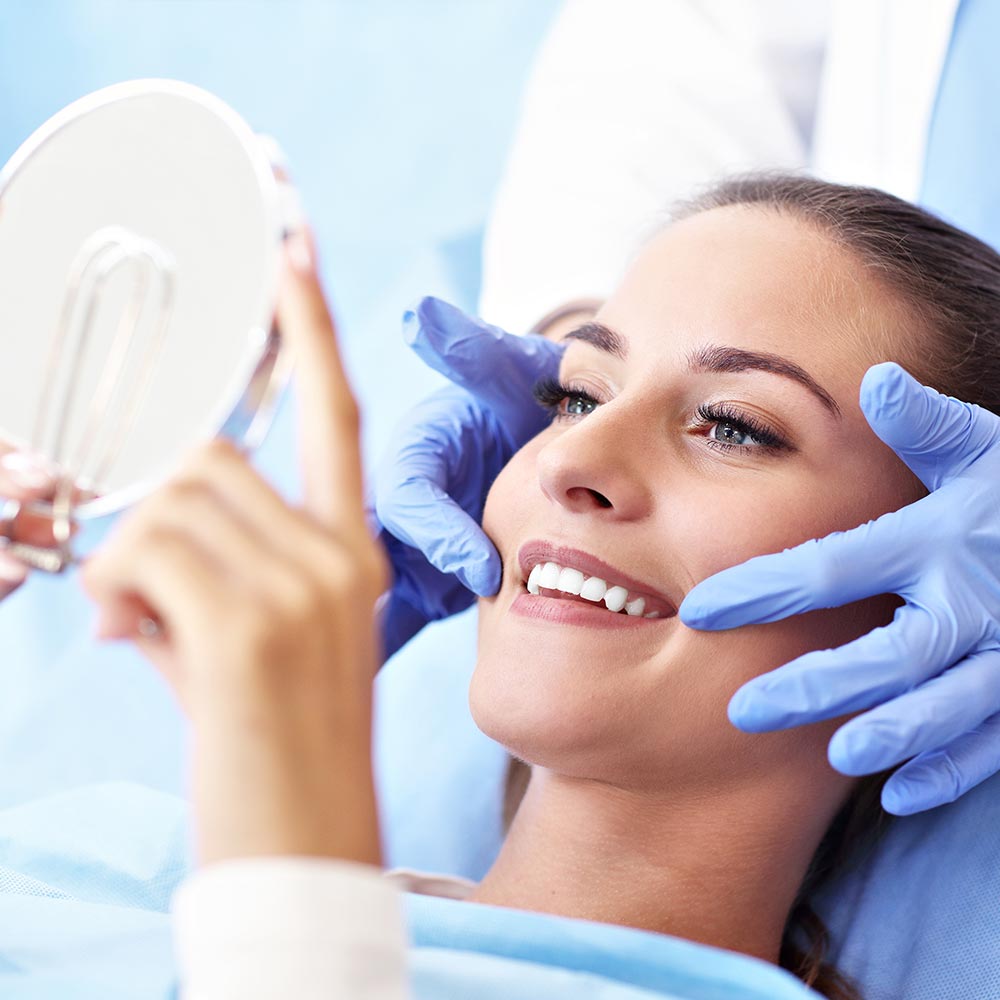
Before whitening begins, the dental team performs an exam, documents your baseline shade, and evaluates restorations to confirm whitening is appropriate. Soft tissues are protected with barriers or retractors and a peroxide gel is applied to the tooth surfaces in controlled cycles while the clinician monitors comfort and progress. Some offices use light or heat to accelerate results, but clinical oversight is the key benefit of an in-office visit.
Treatments typically produce noticeable brightening in a single visit while also allowing the dentist to manage sensitivity and ensure even coverage. After the procedure the team will discuss home care, what to expect in the first 24 to 48 hours, and any recommended follow-up or touch-up options. At DentMax, Dr. Ahmed Jaheen and the team prioritize a comfortable, well-documented experience to deliver natural-looking results.
Take-home kits from a dentist use professionally formulated gels placed in custom-fit trays created from impressions or digital scans of your teeth. The trays ensure consistent gel contact with tooth surfaces and reduce gum irritation compared with generic products, while lower concentrations of peroxide applied over days or weeks produce gradual, controllable whitening. This approach offers a convenient balance of effectiveness and reduced short-term sensitivity.
These kits are particularly well suited for patients who prefer to whiten on their own schedule, need milder regimens because of sensitivity, or want ongoing maintenance after an in-office session. The dentist can prescribe the appropriate strength and instruct on wear time to optimize outcomes and minimize problems. Periodic check-ins allow adjustments and help maintain long-term shade stability.
Mild to moderate tooth sensitivity is the most common side effect of whitening and is usually temporary, resolving within days to weeks after treatment. Sensitivity occurs when peroxide reaches microscopic channels in enamel and transiently stimulates the nerve; it does not necessarily indicate permanent damage. When provided under supervision, whitening is performed in concentrations and time frames that reduce risk to enamel structure.
There are several strategies to manage or prevent sensitivity, including using lower-concentration gels, applying desensitizing agents or fluoride varnishes before or after treatment, spacing sessions, and recommending a toothpaste formulated for sensitivity. Proper evaluation and preparation by your dentist help ensure whitening is safe for your teeth and gums, and adjustments can be made if sensitivity becomes problematic.
Active dental problems such as untreated cavities, gum disease, large areas of exposed root surface, or significant enamel erosion should be addressed before whitening to avoid discomfort and uneven results. Whitening affects only natural tooth structure and will not change the color of crowns, veneers, or composite restorations, so planning is essential if you have existing restorations. In some cases—such as deep intrinsic stains from tetracycline or trauma—alternative cosmetic options like veneers or bonding may be more appropriate.
Certain medical situations may prompt extra caution, so disclose pregnancy, nursing status, and any medical conditions to your dentist during the consultation. Your clinician can evaluate the risks, recommend timing, or suggest gentler approaches if standard whitening is not suitable. A personalized assessment ensures the chosen treatment is both safe and effective for your specific oral health profile.
Longevity of whitening varies by individual factors such as diet, oral hygiene, and the type of whitening used, with results commonly lasting from several months up to a few years. Lifestyle habits play a major role: frequent consumption of coffee, red wine, dark tea, or tobacco accelerates re-staining, while good brushing, flossing, and professional cleanings delay it. Maintaining results often involves periodic touch-ups with a dentist-prescribed take-home kit or occasional brief in-office sessions.
Simple daily habits help preserve shade—rinsing after staining foods, using a straw for pigmented beverages when practical, and waiting 30 minutes before brushing after acidic drinks protect enamel and the whitening effect. Your dentist can recommend a personalized maintenance schedule based on your staining pattern and treatment type. Regular dental visits also remove surface deposits that dull appearance and support longer-lasting results.
No, whitening products only lighten natural tooth enamel and do not change the color of dental restorations such as crowns, veneers, or composite fillings. If restorations are present, whitening may create a mismatch between treated natural teeth and existing restorations, so coordination between whitening and restorative work is important. Often the recommended sequence is to whiten first, then adjust or replace restorations to match the new shade for a harmonious result.
During your consultation the dental team will document existing restorations and discuss whether restorative replacement or color-matching adjustments will be necessary after whitening. Planning ahead reduces surprises and ensures a cohesive, natural-looking smile. Your dentist can advise on timing so that any restorative work aligns with your whitening outcomes.
Begin by scheduling a dental exam and professional cleaning so your clinician can address cavities, loose restorations, or gum inflammation that could affect comfort or outcomes. Avoid heavy staining foods and tobacco for a few days before treatment, and arrive with good oral hygiene to allow the whitening gel to contact clean tooth surfaces. If you have a history of sensitivity, inform the team so they can plan modifications like lower-concentration gels or desensitizing measures.
During the consultation the dentist will record your baseline shade, take any necessary images, and explain the expected result and post-care instructions. Bringing questions about maintenance, timing for future restorations, and touch-up options helps ensure clear expectations. If you prefer a gradual approach, the team can discuss a dentist-prescribed take-home kit as an alternative or complement to in-office whitening at DentMax.
Results depend on the nature of the stain—extrinsic discoloration from foods and smoking responds best and most predictably, while intrinsic stains from medication, trauma, or aging may respond only partially. Many patients see noticeable improvement after a single in-office session or after a course of dentist-prescribed take-home treatment, but the degree of whitening varies by baseline shade and individual tooth anatomy. Your dentist will set realistic expectations during the consultation and may suggest combined or alternative treatments if whitening alone is unlikely to achieve your goals.
Multiple or staged sessions are common when pursuing a significant shade change while managing sensitivity. Gradual approaches often yield more natural-looking results and allow adjustments along the way. If whitening reaches its limit for certain teeth, restorative solutions such as veneers or bonding can be discussed to achieve the precise cosmetic outcome you desire.
Choose based on how quickly you want results, your sensitivity tolerance, and the depth of staining: in-office whitening offers the fastest, most controlled change under direct supervision, while dentist-prescribed take-home trays balance convenience and clinical oversight with gentler concentrations. Over-the-counter products can help with mild surface stains or maintenance but generally produce subtler results and lack customization. A clinical evaluation helps match the method to your goals and oral health.
Discuss your priorities with your dentist—speed, comfort, and long-term maintenance—so they can recommend an evidence-based plan tailored to your needs. Consider starting with a professional consultation to document baseline shade and identify any issues that should be treated first. Personalized guidance ensures a safe, effective approach and the best possible, natural-looking outcome for your smile.
We’re here to help you take the next step in your care.
Whether you have a question, need to schedule an appointment, or want to learn more about our services, our friendly team is ready to assist. Reach out today and we’ll help you find a time that works for you.