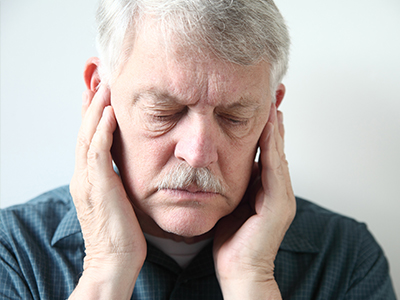
Temporomandibular joint (TMJ) disorders describe a group of conditions that affect the hinge-like joints connecting your lower jaw to the skull. These joints work in concert with muscles, ligaments and a small cushioning disc to allow speaking, chewing, yawning and swallowing. When any part of this system is strained, inflamed or misaligned, function can be compromised and pain can develop. TMJ disorders are a common source of chronic facial discomfort and can disrupt daily activities when left unaddressed.
People often think of TMJ problems as a single illness, but the term really covers several distinct patterns of dysfunction. Some patients experience predominantly muscle-related pain, others have structural issues within the joint itself, and a portion have degenerative changes similar to arthritis. The variability in cause and presentation is one reason TMJ care requires careful assessment tailored to the individual.
Although TMJ disorders are sometimes transient and self-limiting, symptoms can persist or recur for months or years. Early recognition and conservative management frequently produce meaningful relief for most patients. When symptoms are persistent or worsening, a more comprehensive diagnostic workup and coordinated treatment plan can improve outcomes and restore comfortable jaw function.
The jaw’s mechanics combine hinge-like opening and closing with sliding movements that let the lower jaw move forward, back and side to side. Each temporomandibular joint contains a small fibrous disc that cushions the condyle (the rounded end of the jawbone) against the temporal bone of the skull. Muscles control motion and absorb forces from biting and chewing; when these muscles are overworked, they become tense and painful, which can alter joint mechanics.
Common triggers for TMJ dysfunction include repetitive habits such as teeth clenching or grinding (bruxism), direct trauma to the jaw, poor bite relationships, and systemic conditions like arthritis. Emotional stress can also play a role by increasing muscle tension around the jaw and neck. Often a combination of factors contributes, and identifying which elements are present in each patient helps guide treatment choices.
Because the TMJ is small but performs complex movements, even subtle changes in muscle balance or disc position can create noticeable symptoms. That complexity is why many cases benefit from a staged approach: begin with low-risk, reversible measures and advance to more involved therapies only when necessary. This approach minimizes unnecessary procedures while addressing each patient’s unique contributors to pain and dysfunction.
TMJ disorders can manifest in many ways, and individuals may experience a mix of symptoms. Jaw pain and tenderness are among the most frequent complaints, especially around the joint or the muscles that control jaw movement. People often describe stiffness in the morning or discomfort that intensifies with chewing, speaking or prolonged jaw use. Some notice a gradual change in how their bite feels or difficulty opening the mouth fully.
Audible symptoms are also common. Clicking, popping or grating sounds with jaw movement may indicate changes in the joint disc or in the way the bones glide. In some cases, the jaw can lock open or closed temporarily, which can be alarming and interfere with eating or speaking. Associated symptoms beyond the jaw — including headaches, ear fullness, ringing in the ears, and neck or shoulder tension — are not unusual because the muscles and nerves in this region are closely connected.
Because TMJ symptoms overlap with other conditions, accurate recognition is important. Patients who experience persistent jaw pain, frequent locking, or progressive difficulty with jaw function should seek a clinical evaluation so the cause can be clarified and an appropriate plan put in place.
A thoughtful evaluation begins with a detailed medical and dental history and a focused clinical exam. During the visit, the clinician observes jaw movements, listens for joint sounds, assesses muscle tenderness, and evaluates how the teeth come together. These findings often point toward whether the primary issue is muscle-related, a structural problem within the joint, or a combination of both. Screening for contributing factors such as bruxism, prior trauma or systemic arthritis is also part of the process.
When additional detail is needed, imaging studies may be used to visualize joint structures. Standard X-rays can show bone changes, while advanced imaging such as cone-beam CT or MRI can reveal disc position, soft-tissue pathology or degenerative changes. These tools are employed selectively — they complement the clinical picture rather than replace it and help identify cases that might need referral to a specialist or surgical consultation.
Objective assessment may also include occlusal analysis, bite assessment and, when warranted, collaboration with physical therapists or other medical specialists. The goal of evaluation is to define the dominant factors driving symptoms so that treatment can be targeted, measured, and adjusted over time.
Most treatment strategies begin with conservative, reversible measures designed to reduce pain and restore comfort. Self-care approaches include eating softer foods temporarily, avoiding wide yawning and gum chewing, and applying cold packs or moist heat as needed. Patients are often taught gentle stretching and relaxation techniques to reduce muscle tension, and short-term use of over-the-counter anti-inflammatory medications may be recommended by the treating clinician.
When symptoms warrant professional intervention, noninvasive therapies can be highly effective. Custom oral appliances — commonly called night guards or stabilization splints — are used to reduce tooth contact and redistribute forces during sleep, which can lessen muscle strain. Physical therapy modalities, including targeted exercises, manual therapy and postural training, help retrain the muscles that control jaw movement. In selected cases, targeted injections or prescription medications may be used to manage inflammation and reduce muscle spasm.
More involved treatments, such as orthodontic correction, occlusal adjustments, prosthetic rehabilitation or surgical procedures, are reserved for patients who do not respond to conservative care or who present with clear structural pathology that requires correction. When those options are under consideration, a careful multidisciplinary review ensures that the potential benefits outweigh the risks and that the plan fits the patient’s specific needs and goals.
At DentMax’s Woodland Park, NJ practice, we emphasize a stepwise approach to TMJ care that favors conservative, evidence-based steps first and advances to specialty care only when appropriate. Our team works with patients to identify contributing factors, set realistic expectations, and create personalized plans that restore function and reduce pain while preserving natural structures when possible.
In summary, TMJ disorders are a varied group of conditions that affect jaw function and quality of life. With careful assessment and a focus on conservative, individualized care, most patients experience meaningful improvement. If you have ongoing jaw pain, clicking, locking, or related symptoms, please contact us to learn more about evaluation and treatment options available to you.


TMJ disorders arise from problems in the temporomandibular joints, the surrounding muscles, or the joint disc that cushions jaw movement. Common contributors include teeth grinding and clenching (bruxism), direct trauma to the jaw, and bite relationships that place uneven forces on the joint. Systemic conditions such as osteoarthritis or rheumatoid arthritis can produce degenerative changes within the joint and lead to pain and dysfunction.
Emotional stress and habits like gum chewing or frequent wide yawning can increase muscle tension and aggravate the joint over time. In many patients multiple factors combine, so pinpointing the dominant causes requires a careful clinical assessment. Identifying the specific contributors helps tailor treatment and avoid unnecessary procedures.
People with TMJ disorders often report jaw pain or tenderness around the joint and the muscles that control jaw movement. Other frequent symptoms include stiffness, limited range of motion, difficulty opening the mouth fully, and changes in how the teeth come together when the mouth closes. Audible signs such as clicking, popping or grating during jaw movement are also common and can reflect disc displacement or altered joint mechanics.
Associated symptoms outside the jaw may include headaches, ear fullness or ringing, and neck or shoulder tension because these regions share muscle and nerve pathways. Intermittent locking of the jaw can occur in some cases and may significantly interfere with eating and speaking. Persistent or worsening symptoms merit a clinical evaluation to determine the underlying cause and appropriate next steps.
Diagnosis begins with a detailed medical and dental history and a focused clinical examination of jaw movement, muscle tenderness, and joint sounds. The clinician will assess range of motion, feeling for pain or crepitus, and observe how the teeth come together to determine whether muscle, joint, or occlusal factors dominate. Screening for contributing issues like bruxism, prior trauma, or systemic arthritis is an important part of the evaluation.
When more information is needed, imaging may be used selectively to visualize joint structures; standard X-rays can show bone changes while cone-beam CT and MRI provide detailed views of bony anatomy and soft tissues such as the disc. Occlusal analysis and collaboration with physical therapists or medical specialists are employed when appropriate. The overall goal is to define the primary drivers of symptoms so treatment can be targeted and monitored.
Initial care for TMJ pain emphasizes conservative, reversible measures designed to reduce inflammation and muscle tension. Self-care strategies such as eating softer foods temporarily, avoiding excessive jaw opening and gum chewing, and using cold or moist heat can provide meaningful symptom relief. Short-term use of over-the-counter anti-inflammatory medications and guided relaxation or stress-reduction techniques often complement these measures.
Professional, noninvasive options include custom oral appliances (night guards) to reduce tooth contact and redistribute forces, and physical therapy interventions that address muscle balance and posture. These approaches are widely used because they are low-risk and can be adjusted over time based on response. Our practice favors a staged approach that begins with these evidence-based steps before considering more invasive interventions.
Advanced therapies or surgery are considered when conservative care fails to produce adequate improvement or when clear structural problems require correction. Indications for escalation include persistent, severe pain despite appropriate noninvasive treatment, progressive loss of function, recurrent jaw locking that does not respond to conservative measures, or imaging-confirmed degenerative changes that threaten joint integrity. Complex occlusal or prosthetic issues that contribute directly to dysfunction may also necessitate more involved rehabilitation.
Decisions about advanced care are made after careful multidisciplinary review to weigh potential benefits and risks and to ensure the chosen plan aligns with the patient’s goals. When surgery or specialist procedures are under consideration, coordinated evaluation and second opinions are often useful to confirm the diagnosis and optimize outcomes. The overarching principle is to reserve irreversible treatments for cases where they are clearly indicated and likely to improve long-term function.
Custom oral appliances, commonly called night guards or stabilization splints, are designed to reduce abnormal tooth contact and lower muscle hyperactivity during sleep. By redistributing biting forces and preventing clenching-related wear, these devices can lessen muscle strain and decrease pain for many patients. They are fabricated to fit the patient’s bite precisely, which makes them more effective and comfortable than over-the-counter alternatives.
Different appliance designs serve different goals, such as protecting teeth, stabilizing the jaw, or encouraging a more favorable jaw position temporarily. Appliances are typically part of a comprehensive plan that includes behavior modification and physical therapy when indicated. Regular follow-up is important to monitor appliance fit, reassess symptoms, and adjust the device or treatment approach as needed.
Yes. Physical therapy and structured at-home exercises can significantly improve jaw mobility, reduce pain, and restore muscle balance in many patients with TMJ disorders. Interventions commonly include targeted stretching, strengthening exercises, manual therapy techniques, and postural training to address contributing issues in the neck and shoulders. These approaches aim to retrain the muscles that control jaw movement and reduce compensatory patterns that perpetuate symptoms.
Patients often benefit most from a combined approach in which a clinician teaches the correct exercises and monitors progress while the patient practices daily at home. Physical therapy also provides tools for pain management, ergonomic adjustments, and strategies to prevent recurrence. Coordination between the dental team and therapists helps ensure exercises are safe and tailored to each patient’s diagnosis.
Stress commonly contributes to TMJ disorders by increasing jaw and neck muscle tension and promoting parafunctional habits such as clenching or grinding. Over time this heightened muscle activity can strain the joint and surrounding tissues, worsening pain and dysfunction. Because emotional stress is often a modifiable factor, addressing it can be an important component of treatment.
Effective strategies include relaxation techniques, biofeedback, improved sleep hygiene, and behavioral changes to interrupt clenching patterns. When stress or anxiety is substantial, referral to a mental health professional for cognitive behavioral therapy or related interventions may be helpful. Integrating stress management with physical therapies and appliance therapy often produces better, more durable outcomes.
TMJ disorders can be related to systemic and regional health issues such as arthritis, fibromyalgia, cervical spine dysfunction, and certain ear or sinus conditions. Inflammatory arthritides like rheumatoid arthritis may directly affect the joint structures, while widespread pain syndromes can amplify pain perception and complicate management. Cervical spine problems and postural abnormalities often co-occur and can reinforce dysfunctional muscle patterns around the jaw.
Because of these potential links, a comprehensive evaluation sometimes involves collaboration with medical specialists, rheumatologists, or ear, nose and throat clinicians to rule out or manage underlying contributors. Identifying coexisting conditions helps create a more complete and effective treatment plan. Coordinated care improves the likelihood of symptom improvement and reduces the risk of overlooking important systemic causes.
Your visit will begin with a thorough medical and dental history and a focused clinical examination to assess jaw motion, muscle tenderness, joint sounds, and bite relationships. The clinician will ask about symptom patterns, habits such as bruxism, and any prior trauma or medical conditions that might contribute. These findings typically determine whether additional diagnostic tools such as X-rays, cone-beam CT or MRI are needed to visualize joint structures.
Based on the assessment you will receive a personalized, stepwise plan that favors conservative care first and advances to more specialized treatments only when appropriate. Options commonly include self-care advice, targeted exercises, physical therapy referrals, and custom oral appliances when indicated, with regular follow-up to monitor progress. Our team aims to set realistic goals, explain the rationale for each recommendation, and coordinate referrals if multidisciplinary care is required.

We’re here to help you take the next step in your care.
Whether you have a question, need to schedule an appointment, or want to learn more about our services, our friendly team is ready to assist. Reach out today and we’ll help you find a time that works for you.