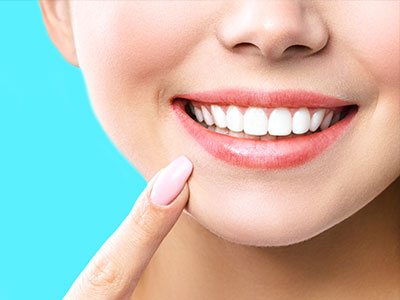
A brighter smile can change how you feel about yourself and how others see you. For patients seeking fast, reliable results, ZOOM! Whitening has become a go-to clinical option for safely lifting stains and restoring a natural, confident whiteness. This page explains how ZOOM! works, who benefits most, what to expect during treatment, and how to maintain your results. Our goal is to give clear, practical information so you can decide whether in-office whitening fits your goals.
ZOOM! Whitening is an in-office whitening system designed to remove deep-set surface stains and intrinsic discoloration through a professionally applied bleaching process. Unlike over-the-counter products, the ZOOM! protocol uses concentrated, dentist-supervised formulations combined with light activation to accelerate the whitening reaction. That clinical oversight and higher-strength chemistry produce more predictable and dramatic improvements in a single visit compared with many retail options.
Because the procedure is performed in a dental setting, patients benefit from individualized attention and protective measures that reduce risks. Soft tissue barriers and isolation techniques protect gums and lips, and the dentist can tailor exposure time and gel concentration to each patient’s needs. This level of control helps optimize outcomes while minimizing sensitivity or uneven whitening.
In short, ZOOM! Whitening is built for people who want a noticeable change quickly and with professional safeguards. It’s a treatment designed to balance efficacy with safety, making it a practical choice for a wide range of adult patients looking to refresh their smile without extended at-home protocols.
The whitening process relies on peroxide-based chemistry to break up stains within the tooth’s enamel and dentin. During an in-office ZOOM! session, a peroxide gel is applied to the teeth and then exposed to a specialized light that helps accelerate the chemical reaction. This combination increases the rate at which stain molecules are broken down, resulting in teeth that appear visibly lighter over the course of the appointment.
Although the light is often described as “activating” the gel, the core whitening action remains the peroxide formula itself. The light’s role is primarily to expedite the process so that meaningful improvement can be achieved in a single visit. Because the active ingredients penetrate beneath the surface, ZOOM! can address stains that brushing and surface whitening strips may not fully reach.
The controlled environment of the dental office also allows for adjustments in application protocols. If a patient has known sensitivity or a particular pattern of discoloration, the practitioner can modify exposure intervals, use desensitizing agents, or recommend supportive at-home products to ensure both comfort and consistent results.
Not every patient is a candidate for in-office whitening, and a brief clinical evaluation helps determine whether ZOOM! is appropriate. Ideal candidates are adults in generally good oral health with extrinsic or mild intrinsic stains from foods, beverages, or aging. Patients with extensive restorations, exposed root surfaces, or active gum disease may need restorative work or periodontal treatment before whitening to achieve safe, even results.
Sensitivity is the most commonly reported side effect of professional whitening. The practice uses several strategies to reduce this risk, including pre-treatment assessments, protective barriers, and post-treatment desensitizing gels. For patients with a history of dentin sensitivity, the dentist may recommend a gentler regimen or postpone treatment until sensitivity is well managed.
Pregnancy, certain medical conditions, and very young patients are typically advised to delay whitening until clinically appropriate. A consultation allows the dental team to review medical history, examine restorative materials, and discuss realistic expectations so that patients can make an informed decision about pursuing ZOOM! Whitening.
There are three broad categories of whitening: over-the-counter products, dentist-dispensed at-home kits, and in-office professional systems like ZOOM!. Over-the-counter solutions are convenient and inexpensive but generally produce milder, slower change. Dentist-dispensed take-home trays offer a middle ground with higher-strength gels used over several days or weeks under professional guidance.
ZOOM! is designed to deliver the most dramatic, immediate improvement of these options because it concentrates the bleaching process into a single clinical session. That intensity is why it’s favored by patients who want rapid outcomes for events like weddings or special occasions, or by those who prefer a one-visit approach rather than daily at-home treatments.
Longevity depends on lifestyle and maintenance. Regardless of the method chosen, avoiding stain-causing foods and beverages, practicing good oral hygiene, and periodic touch-ups—either with take-home trays or occasional in-office refreshes—help sustain results. Your dentist can outline a maintenance plan suited to your habits and expectations.
A typical appointment begins with a short dental exam to confirm there are no untreated cavities or gum concerns. The clinician will discuss your goals and shade expectations so you know what improvement is realistic. Teeth are cleaned if necessary to remove plaque and surface debris that could interfere with even whitening.
During the procedure, a protective barrier covers the gums and lips while the whitening gel is applied to the tooth surfaces. The light is used in timed cycles, with total chair time varying depending on the chosen protocol. Most patients relax comfortably in the chair; some describe a mild warming sensation during activation, but the treatment is generally well tolerated.
After the session, the dental team will rinse teeth and may apply a desensitizing product if needed. Your dentist will review care instructions—these commonly include avoiding highly pigmented foods and beverages for a short window and using gentle oral hygiene practices. They may also provide or recommend take-home gel or touch-up kits to help maintain your new shade over time.
Follow-up is simple: a brief check-in or a scheduled touch-up appointment ensures any sensitivity was managed and that results meet expectations. With proper care and realistic expectations, many patients enjoy a noticeably brighter smile for months to years, depending on habits and restorative work.
Whether you’re preparing for an important occasion or simply ready to refresh your smile, ZOOM! Whitening is a clinically proven option that offers rapid, controlled results in a dental setting. If you’d like to learn more about how ZOOM! could work for you or to discuss candidacy and next steps, please contact DentMax for additional information and to schedule a consultation.


ZOOM! Whitening is a professional in-office bleaching system that lifts both surface stains and some deeper discoloration to produce a noticeably lighter smile. The protocol uses a higher-concentration peroxide gel applied under dental supervision to ensure safety and consistency. Because it is performed in a clinical setting, the treatment can deliver more dramatic results in a single visit than many over-the-counter options.
During an appointment the clinician isolates soft tissues, applies the whitening gel, and uses a specialized light in timed cycles to accelerate the chemical reaction. The combination of gel formulation and light allows active ingredients to penetrate enamel and dentin to break apart stain molecules. Clinical oversight also enables adjustments to gel strength, exposure time, and protective measures to optimize results and comfort.
Ideal candidates are adults in generally good oral health who have extrinsic staining from foods, beverages, tobacco or gradual discoloration from aging. Patients with mostly natural tooth structure and no active cavities or untreated periodontal disease will typically see the best and safest results. A brief clinical evaluation helps confirm whether whitening is appropriate and whether any preparatory dental care is needed.
People with extensive restorations, exposed root surfaces, or active gum inflammation may need restorative or periodontal treatment before whitening to avoid uneven results or increased sensitivity. Pregnant or nursing patients and very young patients are usually advised to wait until whitening is clinically appropriate. Your clinician will review medical history and restorative materials to determine the safest plan.
Preparation typically begins with a short dental exam to check for cavities, gum health, and the condition of existing restorations that could affect outcomes. Teeth may be cleaned to remove plaque and surface debris so the whitening gel contacts enamel evenly. Before treatment you should discuss your goals and any history of tooth sensitivity so the team can tailor the protocol.
It is helpful to avoid highly staining foods or beverages for a day or two before the appointment for clearer shade assessment. If you have recently had tooth restorations or root exposure, mention this to your clinician so they can advise on timing. Bring any questions about expectations, maintenance, or the possible need for touch-ups during the consultation.
The procedure begins with protecting soft tissues using barriers and isolation techniques to safeguard gums and lips while the gel is on the teeth. A peroxide-based whitening gel is applied to the tooth surfaces and then activated in timed cycles with a specialized light, with the clinician monitoring each step. Depending on the chosen protocol, the light and gel cycles are repeated to achieve the desired shade.
Most treatments are completed within a single office visit and patients often relax in the chair during activation cycles. Some people report a mild warming sensation or transient sensitivity during or after the procedure, but this is usually temporary. At the end of the session the gel is removed, teeth are rinsed, and a desensitizing product may be applied if needed.
Tooth sensitivity is the most commonly reported side effect and is usually mild and temporary, resolving within a few days after treatment. Sensitivity occurs because peroxide temporarily increases fluid movement in microscopic channels within dentin, which can heighten nerve response for a short period. The clinical team uses strategies to minimize discomfort, including pre-treatment assessments and protective techniques during whitening.
If you have a history of dentin hypersensitivity the dentist may recommend desensitizing agents before or after treatment, slower exposure times, or an alternative whitening plan. Over-the-counter sensitivity products or prescribed desensitizing gels can also be used to control post-treatment symptoms. Your provider will discuss sensitivity management and what to expect based on your dental history.
Longevity varies by individual and depends largely on lifestyle habits such as diet, tobacco use, and oral hygiene; many patients enjoy a noticeably brighter smile for months to years. Natural aging and exposure to staining substances will gradually affect shade over time, so realistic expectations are important. Regular dental cleanings and good home care help preserve results longer.
To maintain a chosen shade, clinicians commonly recommend avoiding or limiting highly pigmented foods and beverages, using whitening toothpaste as advised, and scheduling periodic touch-ups. Take-home maintenance kits dispensed by the dentist or occasional in-office refresh appointments can extend the interval between noticeable changes. Your dentist will tailor a maintenance plan that fits your habits and desired longevity.
Bleaching agents lighten natural tooth structure but do not change the color of dental restorations such as crowns, veneers or composite fillings. Because restorations remain the same shade while adjacent natural teeth lighten, whitening can create color mismatch if restorations are present in the esthetic zone. It is important to evaluate existing restorations during the consultation so the team can advise on timing and sequencing of treatment.
If you anticipate replacing visible restorations for a shade match, many clinicians recommend completing whitening first and then updating restorations to the new, lighter shade. In some cases the dentist may suggest alternatives or staged approaches to achieve the best esthetic outcome. Discussing restoration status in advance ensures predictable and harmonious results.
ZOOM! is an in-office, dentist-supervised system that uses higher-strength gels and controlled activation to produce faster, more noticeable results in a single visit. Take-home trays supplied by a dentist provide professional-strength gel for gradual whitening over days to weeks and offer more control for patients who prefer treatment at home. Over-the-counter products generally contain lower concentrations of active ingredients and require longer use to achieve modest improvement.
Each option has pros and cons: in-office ZOOM! is efficient for rapid change, take-home trays suit patients who want gradual control, and over-the-counter solutions are convenient for minor touch-ups. The best choice depends on sensitivity history, schedule, desired speed of results, and clinical factors that your dentist will review. Your clinician can recommend the safest and most effective approach for your goals.
Active tooth decay, untreated gum disease, large areas of exposed root surface, and certain oral health conditions can make in-office whitening inappropriate until those issues are addressed. Pregnant or breastfeeding patients are commonly advised to postpone elective whitening until after pregnancy, and specific medical conditions or medications that affect oral tissues should be discussed with your provider. Allergies to peroxide or related ingredients are uncommon but important to disclose during the consultation.
The dental team will review your full medical and dental history to determine safety and to identify any necessary preparatory care. When whitening is not advisable, the clinician can recommend alternative cosmetic options or timing that protects oral health. Open communication about health status ensures a safe, personalized treatment plan.
To schedule a consultation, contact DentMax by phone at (973) 581-4084 for new patients or (973) 837-6458 for existing patients, or visit the office at 968 McBride Ave, Woodland Park, NJ 07424 to arrange an appointment. During the consultation the clinician will assess oral health, review restorative work, discuss your whitening goals, and explain realistic expectations based on the condition of your teeth. This visit is an opportunity to ask about sensitivity management, aftercare, and whether a single in-office session or a combined approach with take-home trays is most appropriate.
After the assessment the team will outline the recommended protocol and answer any questions about the procedure and follow-up care. If treatment is appropriate and you choose to proceed, the appointment can often be scheduled soon after the consultation to complete whitening in a single visit. Follow-up or touch-up options will be discussed to help you maintain results over time.
We’re here to help you take the next step in your care.
Whether you have a question, need to schedule an appointment, or want to learn more about our services, our friendly team is ready to assist. Reach out today and we’ll help you find a time that works for you.